Most people think golf and real estate have nothing in common. But what happens when a two-time U.S. Open competitor trades the fairway for the closing table? You get someone who understands pressure in ways most of us never will.
In this episode of Make Yourself at Home, I sat down with Joey Lamielle of The Lamielle Group at RE/MAX Alliance Group. He is a real estate advisor and team lead of The Lamielle Group at RE/MAX Alliance Group in Sarasota, Florida. What started as a conversation about luxury waterfront property investment quickly turned into something much deeper.
He walked away from a massive commission to protect a client's money, and that one decision turned into an eleven million dollar partnership.
Curious about this episode? Here's a preview of our conversation before you dive into the full story:
How a Two-Time U.S. Open Competitor Ended Up Selling Real Estate
I have talked to a lot of guests who came into real estate sideways. Joey's path still surprised me. Before he became a real estate advisor and team lead at The Lamielle Group at RE/MAX Alliance Group in Sarasota, he was a professional golfer and two-time U.S. Open competitor who spent forty-five weeks a year on the road. He flipped houses on the side between tee times.
He told me flat-out that the pressure in golf and in real estate investing inSarasota, Florida, are not even close. Missing a four-foot putt with a crowd watching taught him more about composure than any listing appointment ever has. What struck me most was how honestly he admitted to almost quitting real estate a year and a half in. The person-to-person grind of the job drained him in a way solo competition never did.
That kind of honesty is rare, and it is part of what makes his story worth sharing with anyone thinking about a career change or a first investment.
Watch the full episode here:
The Multi-Million Dollar Deal Joey Lamielle Walked Away From
This is the part of our conversation that stuck with me the most. Early in his career, Joey was working with an investor who had sold an assisted living facility up north and rolled the proceeds into a Sarasota property through a 1031 exchange, a strategy that lets investors defer capital gains tax by reinvesting in like-kind real estate. When they found a property on Siesta Key, the inspection turned up serious issues. Instead of pushing the deal through for the commission, Joey told the buyer the truth.
"We ended up buying 50 houses for this investor, and then he came to me and said he had about $1.5 million to spend and wanted to be on Siesta Key. We found a property, got it under contract, started the inspection, and discovered issues we couldn't have seen going in. The inspector caught them. He went through the report with me and asked point-blank, 'Joey, what would you do if this was your money?' I started laughing and said, 'I'd run like hell. There's no way I'd buy this house. There's $200,000 worth of what-ifs in that place, and the comps wouldn't justify it right now. You'd be upside down three months into it.' So we canceled the contract. I had a moment that night of, 'What did I just do? I just talked my way out of a very large deal.' But three months later, we ended up buying a $2.2 million home together instead, and we're still friends to this day. We've done millions and millions of dollars of deals since, and it all started with a $20,000 property."
–
What I love about this story is what it says about long-term trust. Joey did not know that walking away would lead to anything. He just knew it was the right call. That client came back; they have now done millions of dollars in deals together, and it all started with a twenty-thousand-dollar property. If you are an agent reading this, take the reminder: one deal is not worth your reputation.
If you want to understand the tools available before you sit down with an advisor, I always point clients to creative financing options for real estate deals as a starting point.
What Home Buyers Miss When Evaluating Golf Course Communities
Since golf communities matter to my audience here in the Carolinas too, I wanted Joey's take on what actually holds value in these neighborhoods when it comes to golf course real estate in Sarasota. He explained that private, gated golf clubs with amenities tend to hold value longer than public or semi-private courses, but it goes deeper than that. Membership health matters just as much as the course itself.
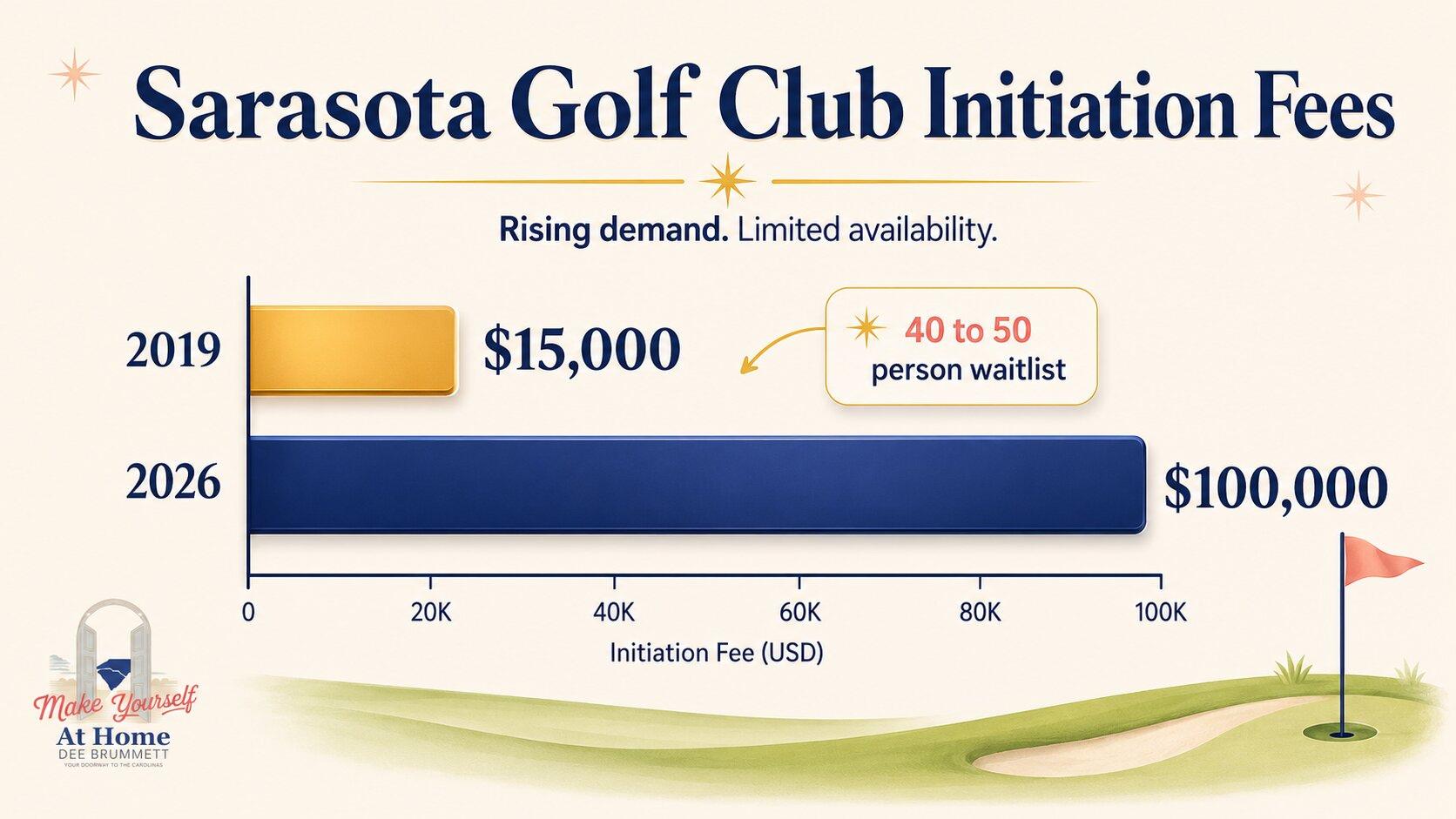
He has seen communities where the average member age crept up to eighty-five with no younger members coming in, and the club lost a quarter of its membership almost overnight. On the flip side, he has watched initiation fees at other clubs jump from ten to fifteen thousand dollars up to one hundred thousand dollars, with a forty- to fifty-person waitlist. Part of that surge traces back to the pandemic. According to the National Golf Foundation, golf participation has grown by roughly forty-one percent since 2019, which tracks exactly with what Joey described on the ground in Sarasota.
That kind of financial health, or lack of it, directly affects the real estate around the greens. It is exactly the kind of detail I try to walk buyers through when they are looking at golf course communities near Charlotte, because the same principles apply here as they do in Sarasota. If you are curious what this looks like specifically in Joey's market, he has written a helpful breakdown of Sarasota's premier golf course communities worth a read.
Why Investors Need to Watch Macro Trends, Not Just Local Ones
Joey is an investor himself, so this part of our conversation felt especially candid. He walked me through why time horizon matters more than almost anything else right now. If someone is trying to flip in this market, he said, they had better have found a steal, not just a good deal. If someone is holding for four to five years, they are going to be fine no matter what happens month to month.
He also brought up something I had not thought about as directly. Buyers are scared right now because they have had to accept that two to four percent interest rates are not coming back. As of this writing, Freddie Mac's weekly survey still shows thirty-year fixed rates hovering well above six percent, which lines up with everything Joey said about buyers needing an educational, not emotional, approach to financing.
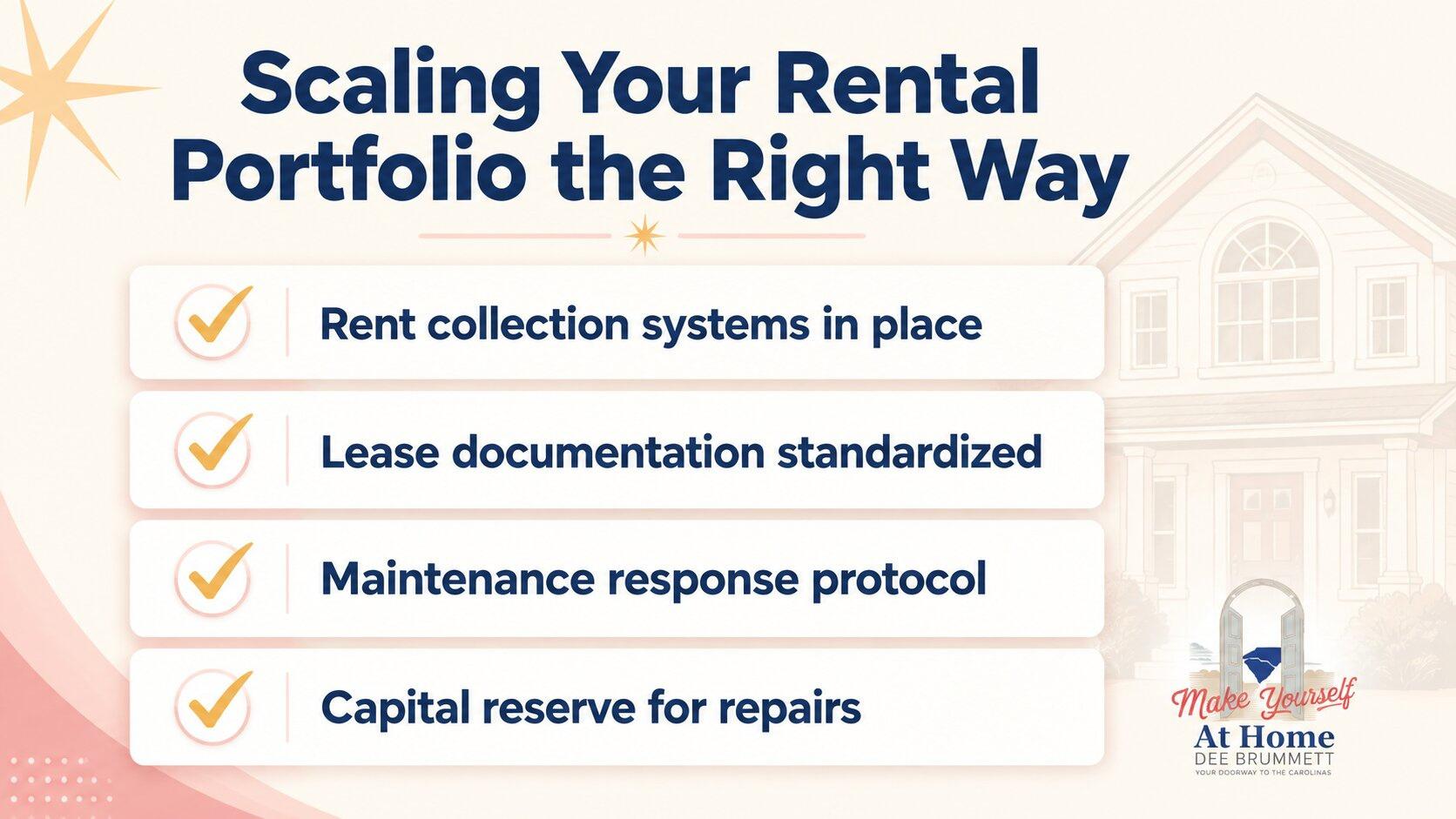
Helping clients separate emotion from the numbers is a big part of Joey's job now, especially when it comes to scaling a rental property portfolio the right way.
"The infrastructure piece is what people miss when they scale. Say someone has four single-family rentals and wants to jump to an apartment building—15 units, 20 units, or even more. All of a sudden, you've multiplied your workload. If you don't have systems in place to handle that volume—your rent collection process, your leases, all of it—you're going to run into problems, and problems lead to draining your bank account. It's one thing to have a plumbing issue in one unit. But what happens if four units have the same issue at the same time, and they're all connected? If it's just a leaky faucet, fine. But if something keeps clogging, that tells me there's a bigger problem somewhere along the line. We need to get a camera in there and go straight to the source instead of putting a Band-Aid on it and praying it works."
–
Joey also talked about how renovation budgets get out of hand for people relocating from higher-cost markets. He has seen buyers plan to spend six figures on a single bathroom, when a realistic bathroom remodel in most markets runs closer to fifteen thousand dollars. That kind of local cost knowledge is exactly why having the right team in your corner matters so much when you scale.
The Overlooked Land Deals Joey Lamielle Is Betting On
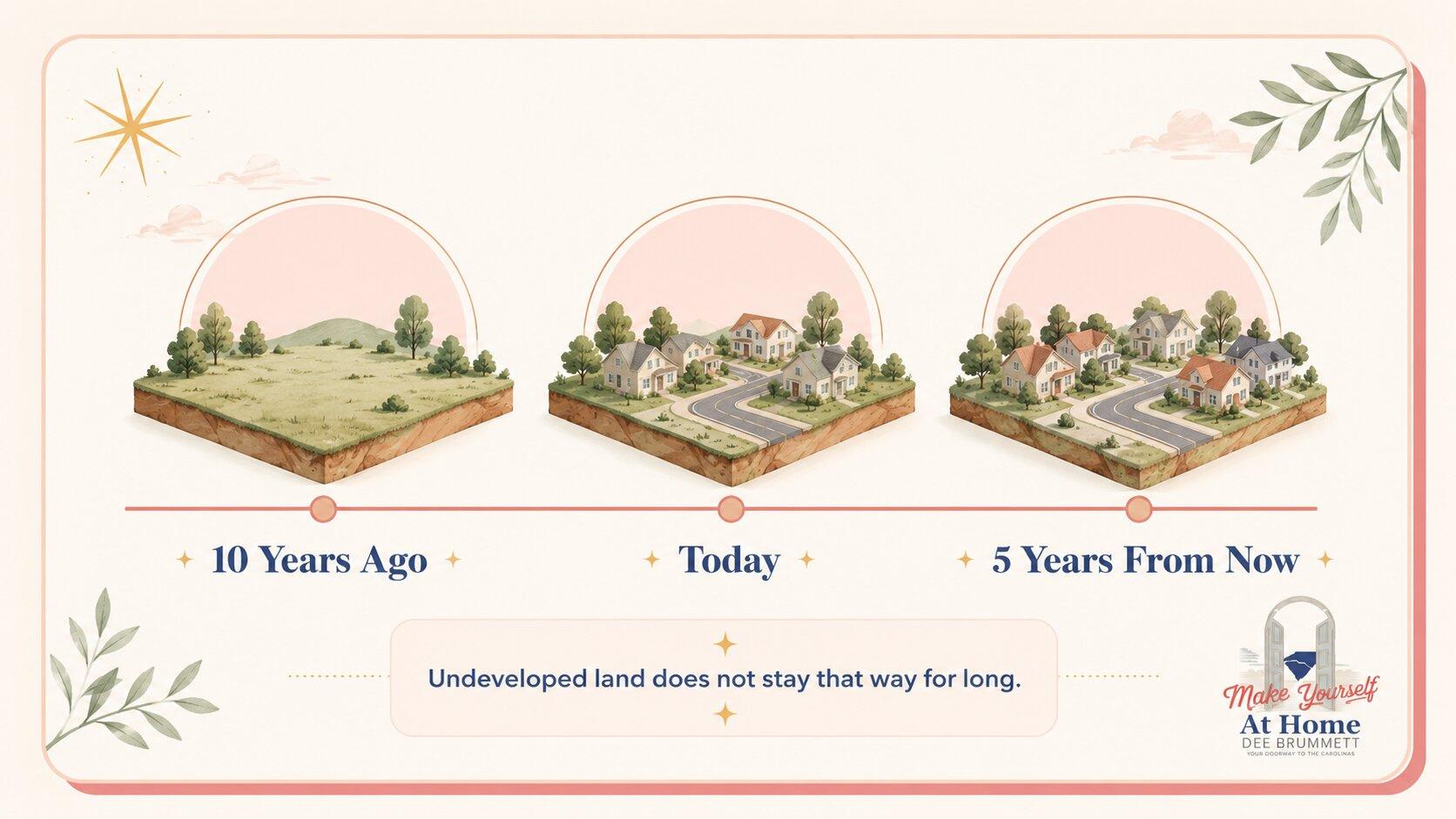
Toward the end of our conversation, Joey shared something he is actively doing himself: buying up inexpensive land in areas of Southwest Florida that are not developed yet.
This is a clear example of land development opportunities in Florida that most buyers overlook. He recently sold two lots with water and sewer access for twelve thousand dollars each, and he is holding four more with his partner to start building on. His philosophy is simple.
Land that looks too far off the beaten path today is often the same land that is right down the street in a few years, once development catches up.
"We have a lot of land in certain areas that I think is genuinely cheap right now. I just sold two lots today for about $12,000 each, and they already have water and sewer access. They're just in an area that's a little hard to get to and not very developed yet. I'm doing the same thing myself with four other lots my partner and I own. We bought that land for almost nothing, sat on it for a while, and now it's time to start going vertical. If it's done correctly and intelligently, developing land like that can be a good way in. You just have to keep your costs under control so the numbers still work if you end up holding for a few years. The areas that aren't popular right now, the ones that feel ten years off the beaten path, are often the ones that turn into 'right down the street' faster than people expect. If you can see the opportunity now, it's going to cost you. If you can see where it's headed before everyone else does, that's where the money is."
–
For anyone thinking about their first luxury waterfront property investment or their first major property overall, Joey's advice is simple. Get the timing right, build a team that includes an agent who invests themselves, and understand that creative financing options exist beyond the standard twenty percent down.
He has seen firsthand how Longboat Key's luxury waterfront market has shifted, and he encourages buyers to search current Sarasota listings before assuming a market is out of reach. If you want to see how much interest rates and insurance costs are reshaping decisions like these right now, Joey wrote a detailed piece on how rates and insurance are shaping the Sarasota market that pairs well with everything he shared on the podcast.
On my end, if you are weighing whether to invest locally, I always point people back to building real wealth through smart investing as a starting point before they commit capital anywhere.
Curious about this episode? Want to hear my entire conversation with Joey Lamielle of The Lamielle Group at RE/MAX Alliance Group about walking away from a massive commission, golf course real estate, and scaling a rental portfolio the right way? Listen to our podcast episode!
Frequently Asked Questions
What should home buyers look for in a golf course community?
Look past the course itself. Private, gated clubs with amenities tend to hold value better than public courses, but membership health, including average age, waitlists, and initiation fees, matters just as much as the greens.
How long should an investor plan to hold a property in today's market?
According to Joey Lamielle of The Lamielle Group at RE/MAX Alliance Group, a four- to five-year hold gives investors the best cushion against short-term market swings, especially with interest rates unlikely to return to pre-pandemic lows.
What is the biggest mistake investors make when scaling their rental portfolio?
Scaling without building the infrastructure to match. Going from a few single-family rentals to a larger multifamily property multiplies the workload, and without solid systems in place, small issues turn into bigger financial problems fast.
Apply As A Guest On The Make Yourself At Home Podcast
Every guest on this show has a story that changes how someone else thinks about real estate, and Joey's is a perfect example. He walked away from a payout to protect a client. He spotted land value before anyone else saw it. His conversation proved something simple.
The best insights come from people who have actually lived through the hard calls, not just talked about them. That is exactly the kind of perspective I want more of on this show.
If you are actively working in this industry and solving real problems, whether in investing, brokerage, construction, or development, I would love to hear from you.