If you are selling a high-end home in South Charlotte, you are probably wondering how different the process really is from a typical sale. The short answer is that luxury buyers tend to be more selective, more research-driven, and less forgiving when a home misses the mark on price or presentation. The good news is that with the right prep, a polished launch, and a clear strategy, you can protect your leverage and move forward with confidence. Let’s dive in.
South Charlotte Luxury Market Expectations
Selling a higher-end home in South Charlotte means working within the broader Charlotte-region market, and that market is giving sellers an important signal right now. In the most recent reporting, inventory was up 11.9% year over year to 12,207 homes, with a median sales price of $399,000, a list-to-close timeline of 100 days, and sellers receiving 96.0% of original list price on average.
For you, that does not mean your home will sit for months or sell below its value. It does mean the market is rewarding homes that launch well from day one. In a market with more inventory and longer timelines, precise pricing and strong presentation matter more than wishful pricing followed by later corrections.
Luxury homes also tend to have a narrower buyer pool. That is why a high-end sale usually needs more planning before it goes live and a little more patience while the right buyer steps forward.
Prepare Before You List
A premium listing usually starts well before the sign goes in the yard. The most successful launches often include a review of condition, needed repairs, disclosures, staging, and media planning before the home ever hits the market.
A pre-sale inspection is not required, but it can help you spot issues early and reduce surprises during negotiations. It can also help you estimate the cost of major repairs, such as roof or HVAC work, so you can make smart decisions about what to address before buyers begin touring.
In North Carolina, most residential sellers must provide a Residential Property Disclosure Statement. If your property is subject to an owners’ association or mandatory covenants, you also need an owners’ association and mandatory covenants disclosure.
These disclosures cover items such as property condition, systems, structural concerns, environmental hazards, land-use restrictions, flood-related information, and HOA dues or special assessments. For higher-end homes, being organized on the front end can strengthen buyer confidence and help the process feel smoother.
If your home was built before 1978, lead-based paint rules add another layer. Sellers must disclose known information, provide available records and reports, include a Lead Warning Statement in the transaction documents, give buyers the EPA pamphlet, and allow a 10-day inspection period unless the parties agree otherwise.
Focus on Repairs That Affect Confidence
Not every small cosmetic item needs to be fixed before listing. What matters most is addressing issues that could create buyer hesitation, raise questions during inspection, or make the home feel less cared for.
That often includes aging systems, visible maintenance issues, and anything that could affect how your home compares with other high-end options. In the luxury market, buyers are often paying as much for confidence as they are for square footage.
Get Your Documents Ready Early
High-end sales often move best when the paperwork is not playing catch-up. If there are HOA details, special assessments, known system issues, or other required disclosures, getting those items together early can save time later.
This also helps your pricing strategy. When you understand the home’s condition and obligations clearly, you can price and negotiate from a stronger position.
Staging Matters More Than Many Sellers Expect
At the upper end of the market, staging is rarely just about decoration. It is about helping buyers understand the scale, flow, and lifestyle of the home the moment they see it online or in person.
According to NAR’s 2025 staging report, 83% of buyers’ agents said staging makes it easier for a buyer to visualize a home as their future property. The rooms most often seen as most important to stage were the living room, primary bedroom, and kitchen.
The same report found that the most commonly staged rooms were the living room, primary bedroom, dining room, and kitchen. It also found that common pre-listing improvements included decluttering, whole-home cleaning, and improving curb appeal.
For South Charlotte sellers, that is a helpful roadmap. Before launch, expect to spend time simplifying surfaces, removing distractions, refreshing key rooms, and making sure your exterior sets the right tone.
Where to Prioritize Your Effort
If you want the highest impact, focus first on these areas:
- Living room
- Primary bedroom
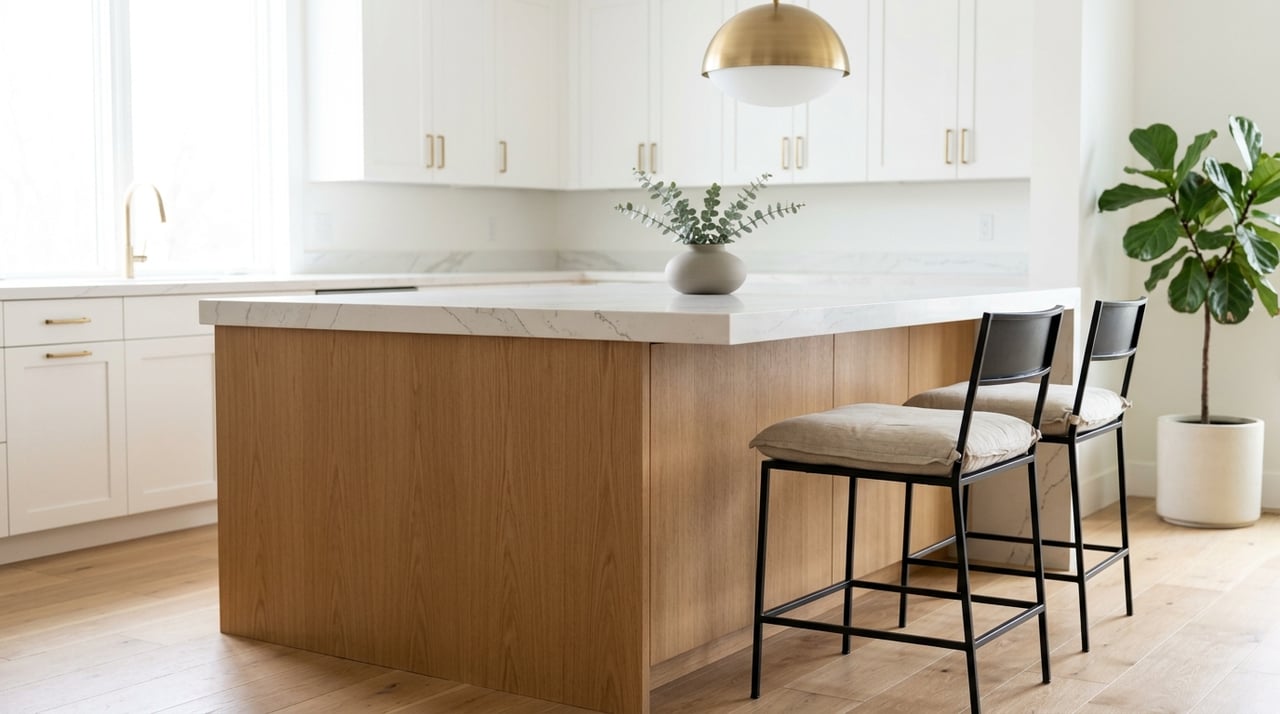
- Kitchen
- Dining room
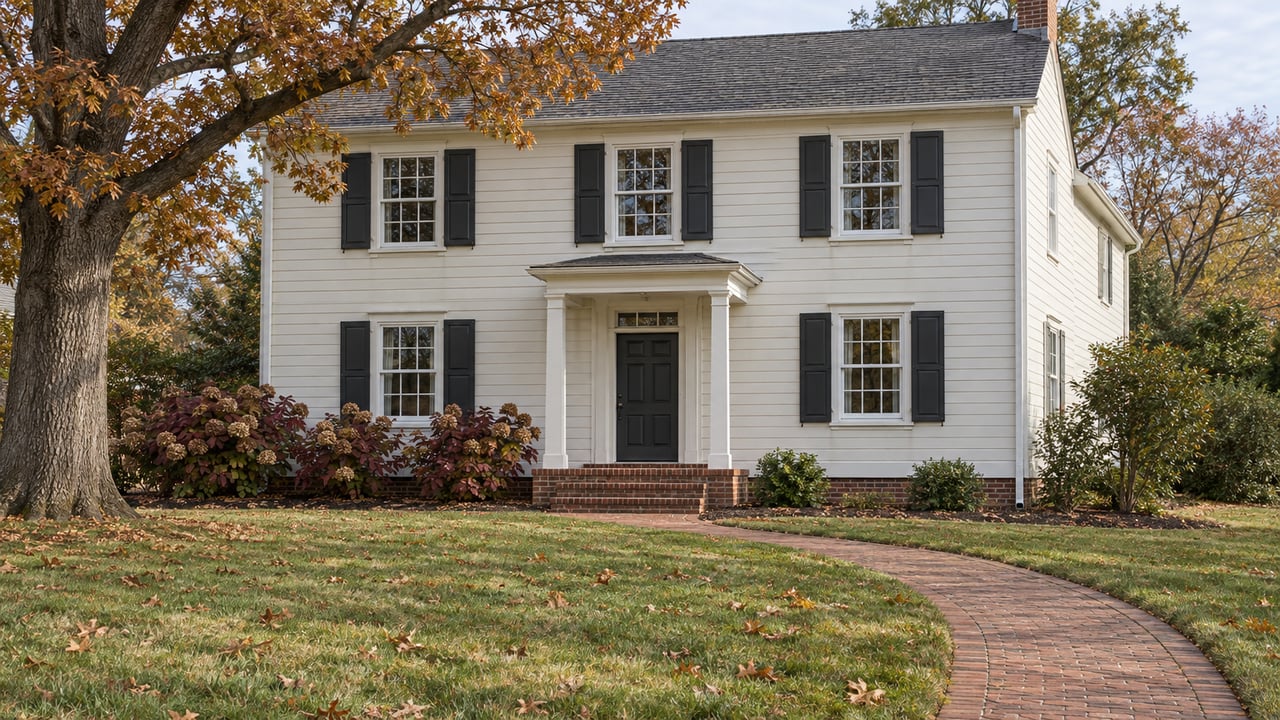
- Front entry and curb appeal
You do not have to make the home look empty or generic. You do want it to feel clean, bright, well-maintained, and easy for buyers to picture themselves in.
Digital Presentation Is Not Optional
Most buyers begin online, and luxury buyers are no exception. NAR’s 2025 buyer research found that photos were the most useful website feature for 83% of buyers who used the internet, followed by detailed property information, floor plans, virtual tours, and videos.
That matters because your first showing often happens on a screen, not at the front door. If your home does not look exceptional online, some buyers may never schedule a visit at all.
A high-end property needs more than basic listing photos. Strong digital presentation usually means professional photography, detailed property descriptions, floor plans when available, and video or virtual tour content that helps buyers understand the home before they arrive.
Buyers also do a lot of comparison shopping before touring in person. NAR reported that buyers who had expectations thought they would view a median of eight homes in person and 20 homes virtually before buying. Your home needs to stand out in both settings.
Showings Require Planning and Flexibility
Once your home is live, showings can be more involved than many sellers expect. Luxury buyers may coordinate around work travel, family schedules, or advisors, and repeat visits are common.
NAR found that some buyers bring family members who are not purchasing the home to view properties, and many consult family during the process. For you, that can mean more scheduling coordination and a longer decision path than a single quick showing.
It is also wise to think about privacy and access control. Sellers are advised to stow personal items and photos, secure valuables, discourage unapproved photography, and consider an electronic lockbox that records who enters the home and when.
You should also expect that buyers are not the only people who may enter the home during the sale process. Appraisers, inspectors, repair vendors, and other transaction participants may all need access at different points, so keeping the home camera-ready throughout the marketing period is important.
Open Houses vs. Private Showings
For a higher-end home, open houses are usually not the main event. NAR’s buyer research found that only 3% of buyers visited open houses as their first step, while 43% started by looking online for properties.
That suggests open houses are usually a supplement, not a substitute, for a strong digital launch and private showing strategy. In many luxury sales, serious interest is more likely to come through well-timed appointments and strong online exposure than through public weekend traffic alone.
Pricing Strategy Can Make or Break the Sale
Pricing a high-end South Charlotte home is not just about applying a neighborhood average. At this level, buyers pay close attention to condition, lot characteristics, privacy, updates, features, and how your home compares with recent sold properties competing for the same buyer pool.
That is why launch pricing matters so much. In the current Charlotte-region market, sellers received 96.0% of original list price on average, and NAR found that 36% of sellers reduced their asking price at least once.
NAR also found that the final sales price for recently sold homes was a median 100% of the final listing price. In plain terms, that means getting the price right early can be more effective than chasing the market with repeated reductions later.
For luxury sellers, the bigger risk is often not underpricing. It is starting too high, narrowing the buyer pool too quickly, extending days on market, and weakening your negotiating position.
Value Is Shaped by More Than Square Footage
In a high-end sale, buyers are often weighing details that do not show up neatly in a price-per-square-foot formula. Updates, privacy, lot appeal, presentation, deferred maintenance, and disclosures all shape how buyers perceive value.
Staging can play a role here too. NAR’s staging data suggest some agents see a 1% to 5% lift in offered value when a home is staged. That is not guaranteed, but it helps explain why presentation is often part of the pricing strategy, not just the marketing plan.
What the Selling Process Usually Looks Like
For most South Charlotte luxury sellers, the process feels best when it is coordinated from the start. That usually includes pre-listing prep, decisions on repairs and staging, professional media, MLS exposure, showing protocols, feedback tracking, and a pricing check after the first wave of market response.
The first week on market is especially important because buyers expect rich digital information before they ever tour in person. If the photos, details, and overall presentation are strong, your home has a better chance of attracting serious attention early.
From there, expect a process that values discipline over rush. The goal is not speed for its own sake. It is to present your home well, price it for the real buyer pool, and keep your leverage intact.
If you are thinking about selling a high-end home in South Charlotte, a tailored plan can make all the difference. When you want clear pricing guidance, polished marketing, and steady support from start to finish, Dee Brummett is ready to help.
FAQs
What should you expect when selling a luxury home in South Charlotte?
- You should expect a longer planning phase, careful pricing, strong digital marketing, and more detailed showing coordination than with a typical listing.
How long does it take to sell a home in the Charlotte region?
- Recent Charlotte-region reporting showed a list-to-close timeline of 100 days, though each property can vary based on price, condition, and buyer demand.
Do you need staging when selling a high-end home in South Charlotte?
- Staging is not required, but it can help buyers better visualize the home, especially in the living room, primary bedroom, kitchen, and dining room.
What disclosures are required when selling a home in North Carolina?
- Most sellers must provide a Residential Property Disclosure Statement, and homes with mandatory covenants or HOA obligations also require an owners’ association and mandatory covenants disclosure.
Why does pricing matter so much for a South Charlotte luxury listing?
- Pricing matters because a high-end home has a smaller buyer pool, and starting too high can lead to more time on market and less negotiating leverage.
Are open houses important for selling a luxury home in South Charlotte?
- Open houses can help as a supporting tactic, but most buyers begin online, so digital presentation and private showings usually play a larger role.