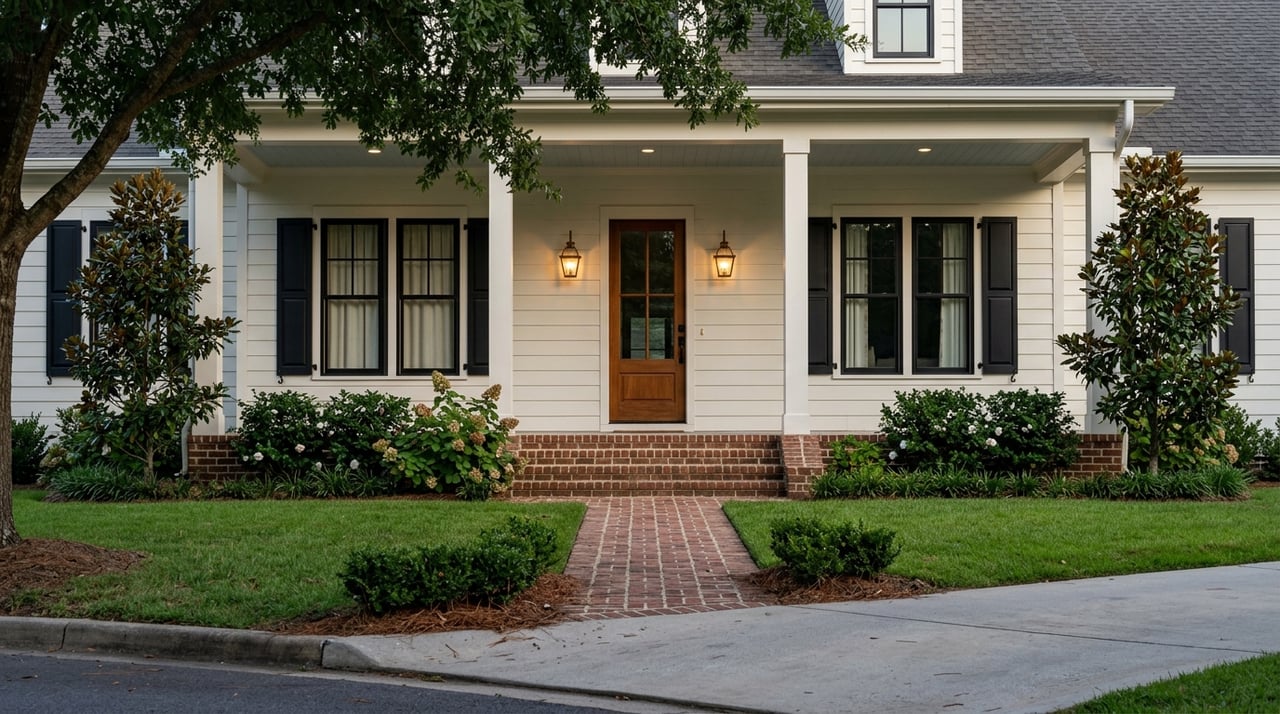
Buying a home in Monroe 28110 can feel exciting and a little overwhelming at the same time. You may be wondering what happens first, what costs to plan for, and how to avoid surprises once you are under contract. This roadmap walks you through each step, from pre-approval to closing day, so you can move forward with more clarity and confidence. Let’s dive in.
Start With Your Real Budget
Before you tour homes, it helps to know what you can comfortably afford each month. That means looking beyond the mortgage payment alone and planning for property taxes, homeowners insurance, HOA dues if applicable, utilities, maintenance, and flood insurance if a property requires it.
Closing costs matter too. According to the research provided, buyers should plan for closing costs of about 2% to 5% of the purchase price, in addition to the down payment. If your down payment is under 20%, mortgage insurance may also be part of your monthly cost.
This early budgeting step can save you time and stress later. It helps you focus on homes that truly fit your finances, not just your wish list.
Review Credit Before You Shop
Your credit and spending habits can affect both your loan options and your interest rate. Before you apply, review your credit, look closely at your monthly spending, and avoid major financial changes like taking on a car loan, opening a new credit card, or making large purchases.
Even small changes can impact your loan file while you are preparing to buy. A steady financial picture gives you a stronger starting point when it is time to talk with lenders.
Get Pre-Approved Early
A pre-approval is one of the most important first steps in your Monroe 28110 home search. It shows sellers that a lender has already reviewed your finances and believes you are likely to qualify for a loan.
That said, a pre-approval is not a final loan commitment. It is best to treat it as a starting point that helps define your price range and strengthens your offer position.
Compare More Than One Lender
You are not locked into the first lender who gives you a pre-approval letter. The research report recommends comparing at least three lenders and reviewing their Loan Estimates later in the process before choosing your loan.
It is also important to watch the timing. Pre-approval letters often expire in 30 to 60 days, so if your search takes a while, you may need an updated letter.
Verify Monroe 28110 Details Early
In 28110, two practical items deserve attention before you get too far into the process: school assignment and property taxes. These details can affect both your budget and your day-to-day planning.
Checking them early helps you make cleaner comparisons between homes and avoid last-minute surprises.
Confirm School Assignment Carefully
If school enrollment is part of your move, verify the assigned school using Union County Public Schools' official assignment tools. The research report notes that school assignment is based on the parent’s domicile, and UCPS treats its assignment finder as the authoritative source.
Because attendance maps are organized into clusters, including a Monroe cluster, it is smart to confirm assignment before you make an offer and again before closing. This is especially helpful if you are relocating and learning the area from a distance.
Understand City and County Taxes
Property taxes in Monroe can vary depending on whether the home is inside city limits. The research report states that residents inside city limits pay both city and county property taxes.
Monroe lists a city tax rate of 44.0 cents per $100 of assessed value, with an added 16.0 cents downtown district tax on some addresses. Union County’s FY 2025-26 tax rate is 43.42 cents per $100. Both city and county taxes are due September 1 and can be paid through January 5 without penalty.
Make Your Offer With Due Diligence in Mind
Once you find the right home, the next step is making an offer. In North Carolina, this stage is closely tied to the due diligence process, which gives you time to investigate the property before you fully commit.
Before an offer is made, most sellers of one- to four-unit residential properties must provide the Residential Property and Owners’ Association Disclosure Statement. Reviewing that disclosure can help you spot questions to follow up on during your investigation period.
What Due Diligence Means in North Carolina
The due diligence period starts on the contract’s effective date, and its length is negotiable. During that time, buyers commonly complete inspections, review loan qualification, confirm the appraisal process, examine title work, and look into other property-specific concerns like surveys or septic systems.
This window is your chance to gather facts and make an informed decision. If issues come up, you may decide to negotiate, move forward as-is, or terminate the contract depending on the terms and timing.
Know the Due Diligence Fee
The due diligence fee is negotiated and paid to the seller for the right to investigate the home. In most cases, if you terminate during the due diligence period, you can get your earnest money back, but the due diligence fee is usually not refundable unless the contract says otherwise.
That is why this step deserves careful planning. A strong local strategy can help you balance competitiveness with smart risk management.
Schedule Inspections Quickly
After your contract is effective, schedule the home inspection as soon as possible. The earlier you inspect, the more time you have to understand the findings, request repairs if appropriate, and make decisions before your due diligence deadline.
A home inspection and an appraisal are not the same thing. The inspection is for your protection and focuses on the condition of the home, while the appraisal is generally required by the lender to support the property value.
What Happens if Repairs Are Needed
Sellers are not required to agree to repairs. If repair issues come up, you may negotiate, proceed without repairs, or terminate during the due diligence period if your contract allows.
If repairs are agreed to, the seller must complete them by settlement. You also have the right to verify completed repairs and do a final walk-through before closing.
Add Flood Risk to Your Checklist
Flood risk is an important part of due diligence in Monroe 28110. Homeowners insurance generally does not cover flood damage, and flood insurance is likely required if a property is in a FEMA Special Flood Hazard Area.
That can affect both your monthly payment and your cash-to-close planning. Reviewing flood exposure early can help you compare homes more accurately, especially if you are deciding between multiple properties.
Prepare for a North Carolina Closing
North Carolina has a specific closing process that buyers should understand early. Closing must be handled by a licensed North Carolina attorney, or by a non-attorney working under that attorney’s direct supervision.
According to the research report, the closing attorney examines title, prepares documents for recording, verifies the closing paperwork, updates the public record, and ensures funds are not disbursed until the required steps are complete. This attorney-supervised structure is a key part of the buying process in North Carolina.
Review the Closing Disclosure
Your lender must deliver the Closing Disclosure at least three business days before closing. When you receive it, compare it carefully with your earlier Loan Estimate to make sure the loan terms and fees have not changed unexpectedly.
This is one of the best ways to catch errors, ask questions, and make sure you know your final cash-to-close amount before closing day arrives.
Plan for Cash to Close
Your cash to close may include more than you expect if you only focus on the down payment. Common costs can include lender fees, appraisal and credit report fees, title services, government taxes, and prepaid items such as property taxes, homeowners insurance, and any required flood insurance.
For Monroe-area buyers, tax timing matters too. Since property tax bills are mailed in August and due September 1, it is wise to ask how taxes will be handled for the property you are buying and whether the parcel is inside city limits or subject to any special district levy.
Finish Strong After Closing
Getting the keys is a major milestone, but there are still a few important tasks after closing. Updating your address with banks, credit card companies, insurance providers, the DMV, loan servicers, and other billing contacts can help your move-in go more smoothly.
It is also a good time to revisit your budget. New homeowners often need to plan for repairs, maintenance, utilities, and seasonal expenses that may feel different from renting or from a previous home.
Gather Records for Enrollment and Setup
If school enrollment applies to your household, keep your proof-of-residence documents easy to access. The research report notes that UCPS may require documents such as a notarized rental or purchase agreement, utility bills, driver’s license or vehicle registration, insurance policies, or a property tax bill.
Having these ready can make the transition easier once you close and move in. It is one more reason to treat school verification as an early part of the homebuying process, not an afterthought.
Your Monroe 28110 Roadmap at a Glance
If you want a simple way to remember the process, think of it in this order:
- Set your real monthly budget
- Review credit and avoid major financial changes
- Get pre-approved and compare lenders
- Verify school assignment and tax details
- Make an offer and review seller disclosures
- Use due diligence for inspections and investigations
- Review your Closing Disclosure
- Close with a North Carolina attorney
- Update records and settle into your new home
Buying in Monroe 28110 is much easier when you know what happens next and why each step matters. With the right preparation, you can shop smarter, negotiate with more confidence, and get to closing with fewer surprises.
If you are planning a move in Monroe or anywhere in Union County, Dee Brummett can help you navigate each step with local insight, clear communication, and personalized support.
FAQs
How long is the due diligence period for a Monroe 28110 home purchase?
- In North Carolina, the due diligence period is negotiated between the buyer and seller and begins on the contract’s effective date.
Is the due diligence fee refundable in a Monroe 28110 purchase?
- Usually no. If you terminate during due diligence, you typically get earnest money back, but the due diligence fee is generally not refunded unless the contract says otherwise.
Is a home inspection the same as an appraisal for Monroe 28110 buyers?
- No. A home inspection evaluates the property’s condition for your benefit, while an appraisal is typically required by the lender to support the home’s value.
Do Monroe 28110 buyers have to use the same lender that issued pre-approval?
- No. A pre-approval does not commit you to that lender, and you can compare lenders and Loan Estimates before choosing your loan.
What property taxes should buyers check for a Monroe 28110 home?
- Buyers should verify whether the home is inside Monroe city limits, whether both city and county taxes apply, and whether any special district tax applies to that parcel.
How should families verify school assignment for a Monroe 28110 address?
- Families should confirm the assigned school through Union County Public Schools’ official assignment tools, since school assignment is based on domicile and should be verified for the specific address.