A home inspection can save a buyer thousands of dollars, and it can also cost thousands if it's skipped, especially when hidden structural defects or old electrical panels go unnoticed until it's too late.
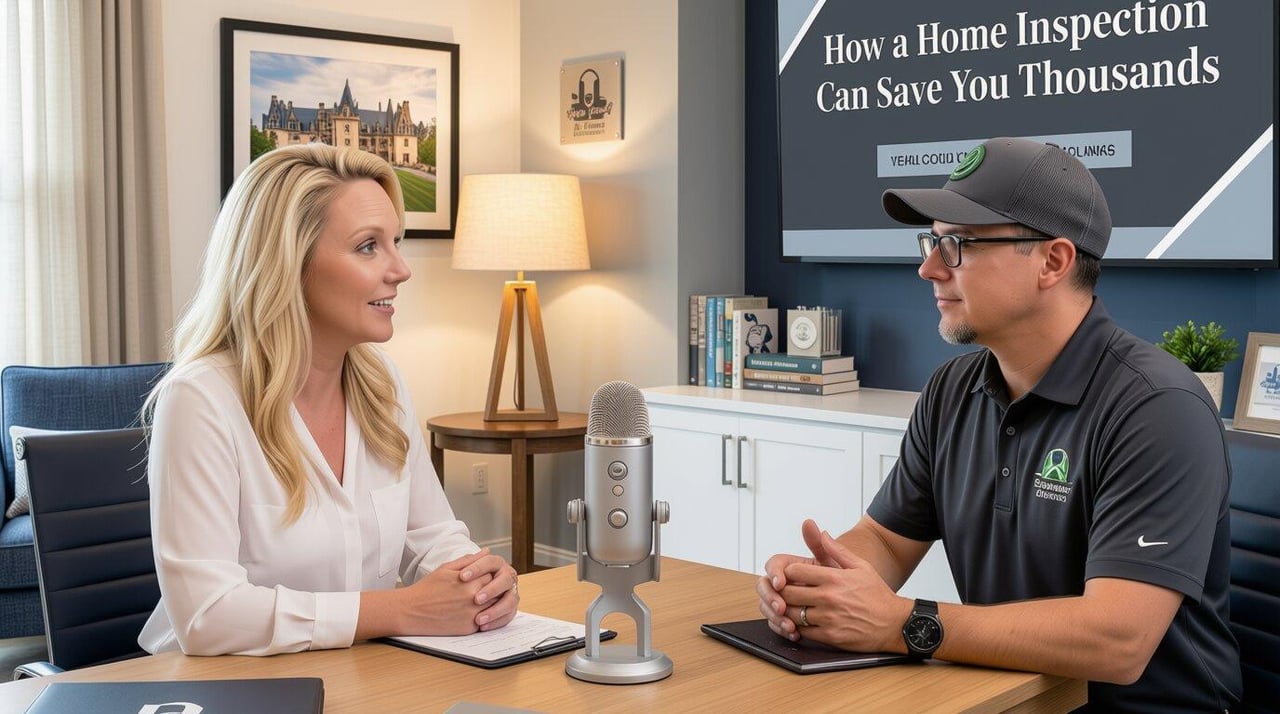
I sat down with Matt Balius, owner of Bolt Certified Home Inspection, whose background in construction and medicine shapes the way he looks at a house. What he shared changed how I explain inspections to my own clients.
Curious about this episode? Here's a preview of our conversation on home inspection tips every buyer and agent should know.
Why Every Home Purchase Deserves a Professional Inspection
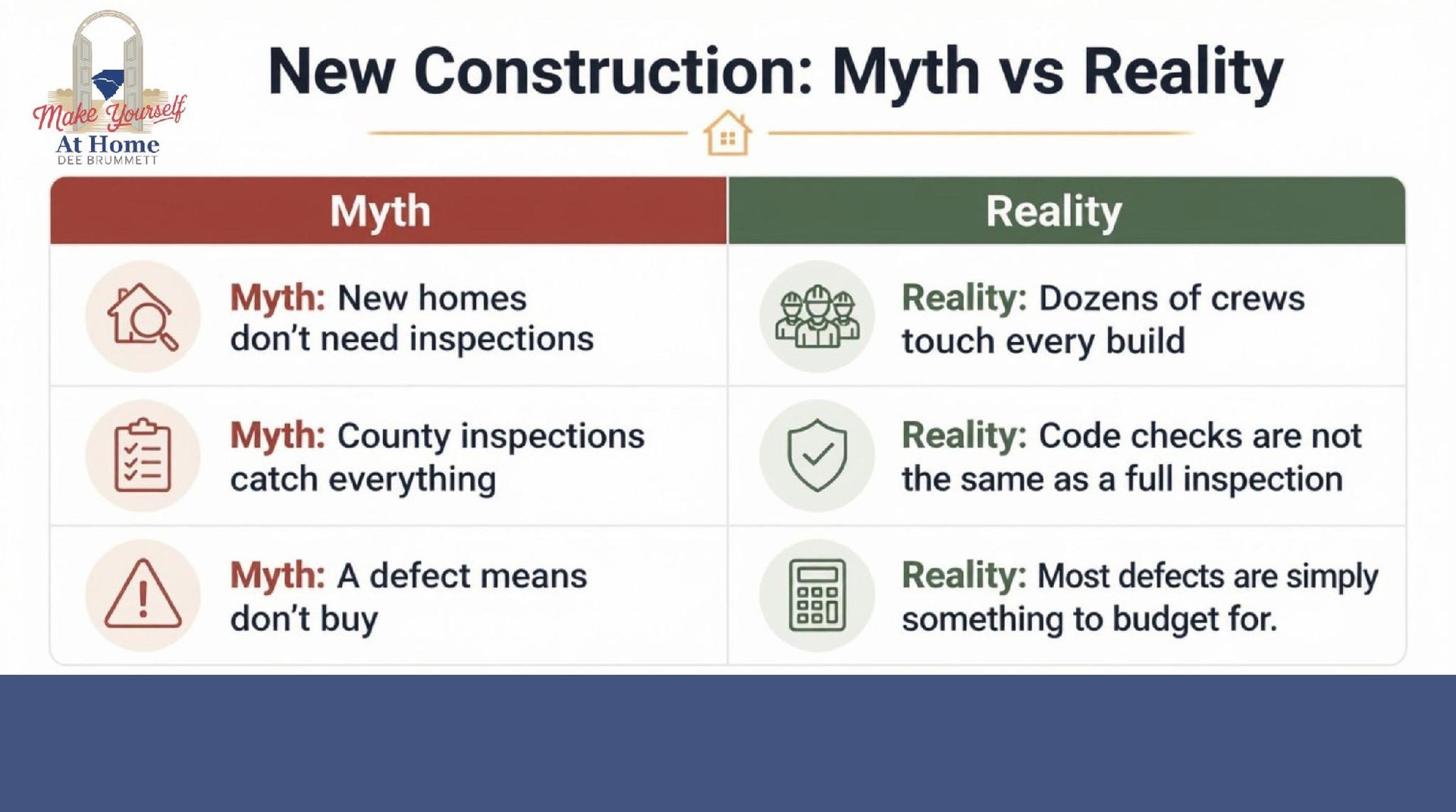
I've heard it a hundred times from clients: "It's brand new, why do I need an inspection?" So I put that question straight to Matt Balius from Bolt Certified Home Inspection, and his answer reframed the whole conversation for me.
A house isn't built on an assembly line. Dozens of different crews touch a single build: framers, plumbers, electricians, roofers, and every one of them is human. Matt put it plainly:
"A house is not like a Toyota built in a factory by robots. Whether it's a brand-new home or a 100-year-old home, you've got to remember that dozens of different crews worked on it. The concrete crew, plumbers, electricians, framers, roofers, inspectors—they're all working in sequence and often on top of one another. There can easily be a hundred different people involved in building a home. Most of them are excellent at what they do, but some are brand new, some are checked out because they're about to quit, and some simply have an off day. Every now and then, you get a house where everything is perfect. But most of the time, even the best-built home has a spot where someone had a bad day."
–
That's not a knock on new construction. It's the reason every real estate home inspector licensed by the North Carolina Home Inspector Licensure Board exists in the first place, and why an inspection matters regardless of a home's age. It's a point I've heard echoed in my conversation with another Carolinas home inspector, who put it just as bluntly: no inspection company finds everything, but a licensed one gives you documentation that holds up.
Watch the full video here.
The Structural Defect a New Build Almost Hid for a Decade
Home inspector Matt Balius of Bolt Certified Home Inspection shared a story that stuck with me. On a $700,000 new construction home inspection, he climbed into the attic and noticed the roof trusses looked off. Trusses are supposed to sit 24 inches apart. He measured. Thirty-three inches.
"I got up there, looked in the attic, and thought, 'That doesn't look right.' I always carry a tape measure with me, so I measured the truss spacing, and it was 33 inches apart. That's a structural integrity issue. If someone were walking on the roof, it could flex or fail. The buyer was a great guy, and it probably wouldn't have caused him an immediate problem. The house likely would have been fine for years. But when it came time to sell, the next inspector would have found it, and suddenly he'd be facing a $10,000 repair. We got the builder to bring in a structural engineer to redesign and correct it properly, because it wasn't something you could fix by simply adding another brace. It had to be re-engineered."
–
For agents, this is the clearest case for why "it's brand new" isn't a reason to skip an inspection. The defect wasn't visible from the ground, didn't affect livability on day one, and would have become the buyer's problem and the buyer's expense the moment they went to resell. It's the same lesson I cover when I walk families through new construction homes in growing communities like Indian Trail: a builder's warranty is never a substitute for your own inspection.
How Thermal Imaging and a Medical Background Uncover Hidden Damage
Matt Balius with Bolt Certified Home Inspection spent 15 years in construction, then 15 more in medical ultrasound, before shoulder strain pushed him toward home inspection. That medical background shows up in how he talks about houses. He uses the word "systemic," the same way a doctor connects one symptom to a root cause.
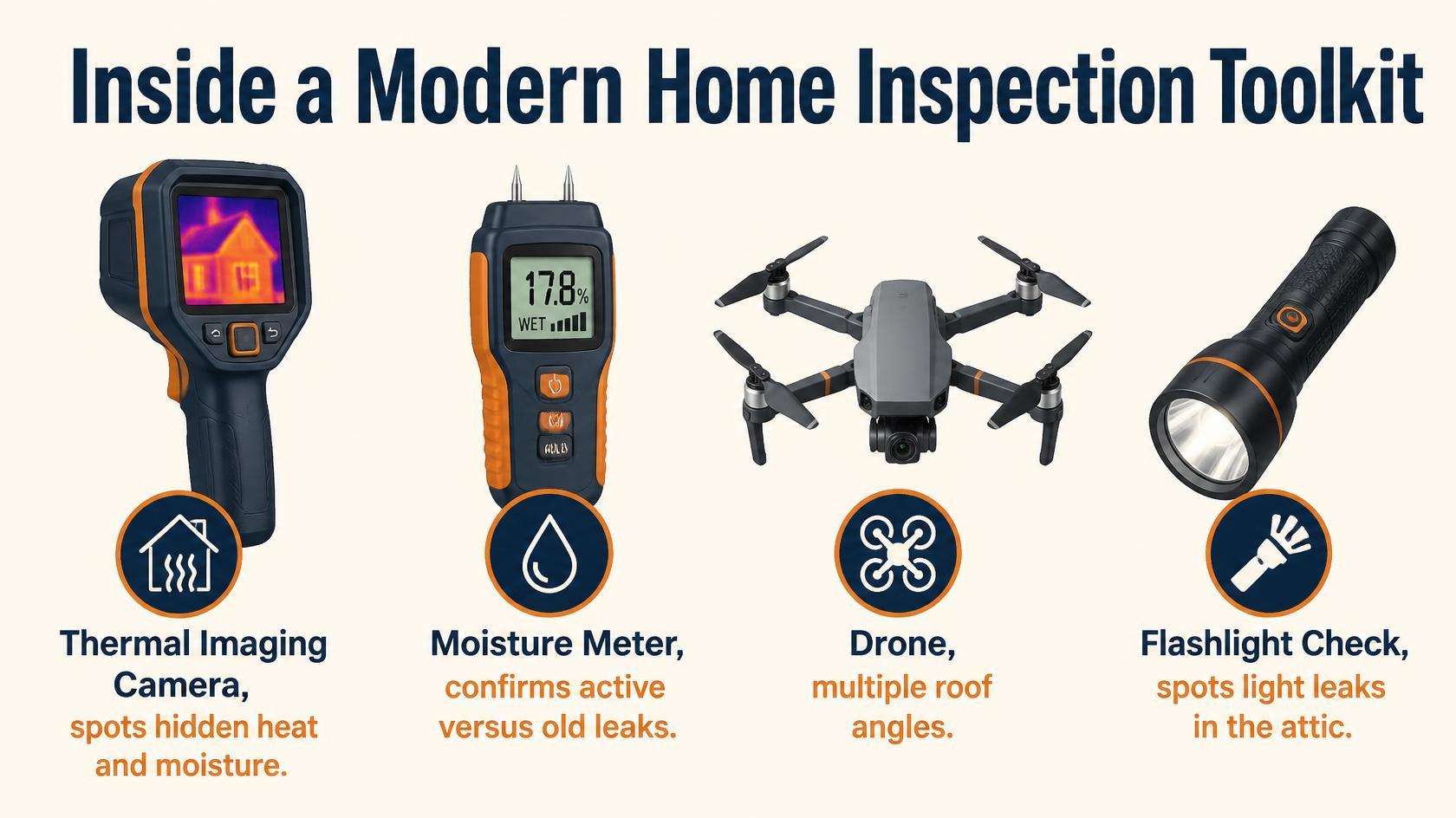
His thermal camera works the same way an ultrasound transducer does. It finds what the eye can't. It can catch a missing patch of insulation, a slow condensate leak behind drywall, or even a stain from a roof leak that happened years before a re-roof. That's the same principle behind his infrared thermal imaging service, which he uses on nearly every inspection he runs.
The toolkit he carries does most of the heavy lifting. A thermal camera spots hot and cold zones tied to insulation gaps or hidden moisture. A FLIR moisture meter confirms whether a stain is active or historical. A drone and a ladder inspection together catch roof angles that a single vantage point would miss.
The Electrical Red Flags Every Buyer Should Know
If there's one system Matt says he'd want checked above all else, it's electrical, especially in older homes. You can review the full list of his inspection services to see everything his team checks on a standard visit, but electrical is where he doesn't compromise.
"In an existing home, one of the biggest red flags is finding a Zinsco or Federal Pacific electrical panel. These panels were commonly installed in the 1950s and 1960s, and the way the breakers connect to the panel can lead to corrosion and, in some cases, increase the risk of an electrical fire. You might inherit a home that's been in the family for 70 years without any issues, but if it still has one of these panels, it needs to be replaced. In many cases, you won't even be able to get homeowners insurance until it's updated. Depending on the panel and the home's electrical system, replacement can cost $2,000 or more—something many buyers would never know without a thorough inspection."
–
This is the kind of thing an agent can flag before an offer even goes in. A listing photo of an older panel isn't enough to tell you the brand, but if a buyer's inspector calls out Zinsco or Federal Pacific, that's not a negotiable "nice to fix," it's often a condition of getting insurance at all. The Consumer Product Safety Commission's own investigation into Stab-Lok breakers confirms why these panels carry the reputation they do among inspectors and insurers alike.
In addition, electrical hazards in older homes can pose significant risks if not addressed properly. He also sees plenty of ungrounded GFCI outlets that test fine on the surface but fail once you actually check the wiring, a common shortcut on quick flip renovations.
Why Radon Testing Is Non-Negotiable
Radon came up, and Matt didn't soften it. It's a naturally occurring gas that seeps up from the ground, and it's tied directly to health outcomes buyers rarely think about.
"Until I took that class, I had no idea how serious radon really is. Radon is naturally present almost everywhere, so every home will have at least a small amount because it comes from the ground. But it's the second leading cause of lung cancer after cigarette smoking. People develop cancer from prolonged radon exposure in their homes more often than most people realize. It originates from soil and rock, and it can even be present in certain building materials or stone countertops. Two neighboring homes can have completely different radon levels because one may have been built on different soil or with imported fill that contains higher concentrations of radon. That's why testing is so important."
–
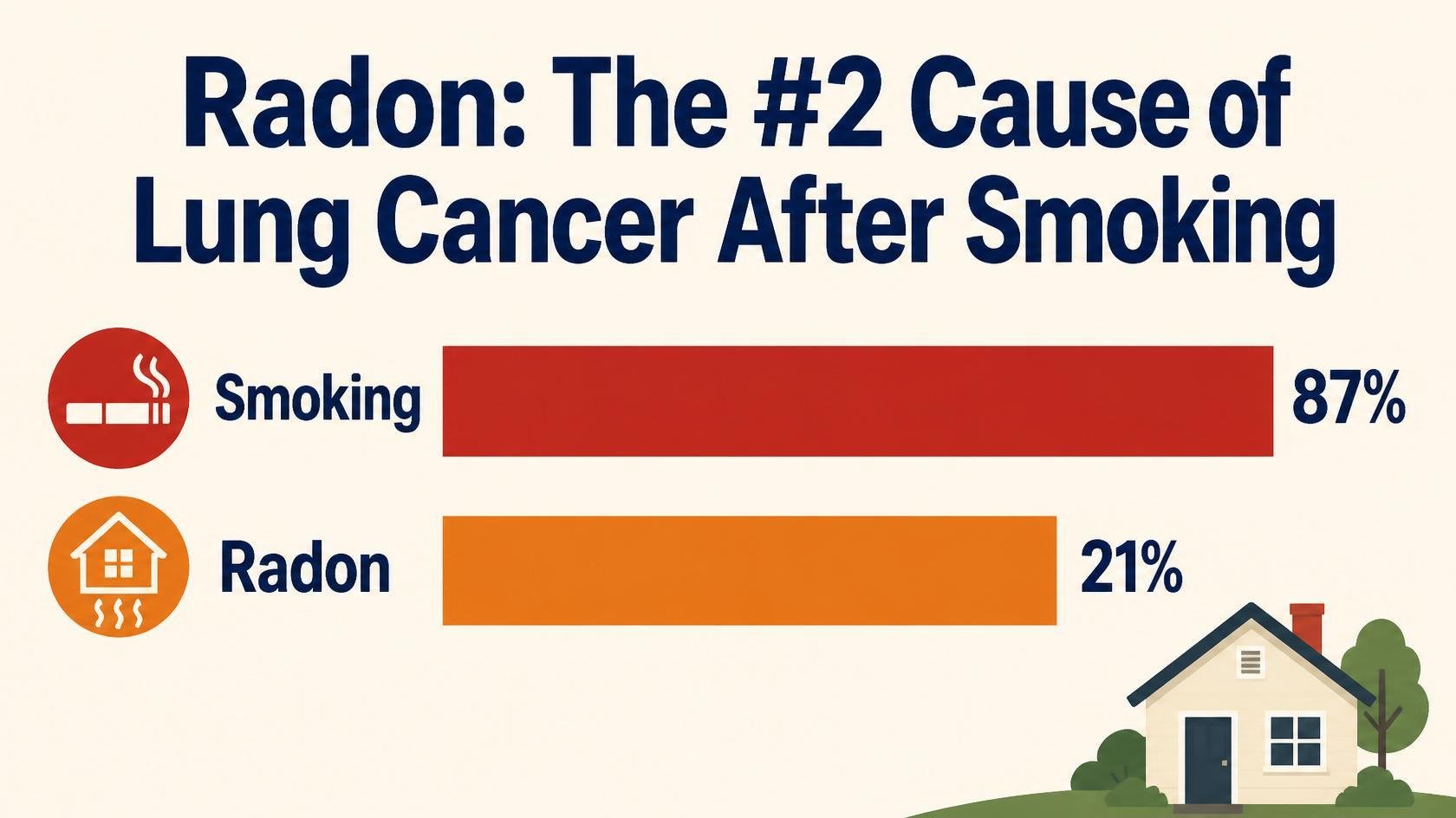
For agents, the takeaway is that radon testing isn't correlated with how nice or new a home looks. It's tied to what's underneath and around it, which means it's worth testing on every transaction, not just the ones that seem like a red flag. The EPA's own radon health risk data backs up exactly what Matt described in the studio.
How to Read an Inspection Report Without Panicking
One thing Matt was clear on: a defect on a report isn't a reason to walk away from a house. It's information. He compares it to a doctor reading lab results. Some numbers fall outside "normal," but that doesn't always mean something urgent.
His approach is to open a line of communication before the report even lands, so buyers can ask questions and understand context instead of reading a list of problems in isolation. A polybutylene pipe or an aging HVAC condenser isn't a dealbreaker; it's a budget line to plan around. If you want to see what one of his reports actually looks like before you're staring at your own, a sample inspection report is a good place to start.
This is also where a home warranty tends to create false confidence. North Carolina's own consumer protection guidance is direct about this: a warranty should never replace having the home thoroughly checked out by a licensed inspector. I walk every client through that same distinction in our full step-by-step buyer's guide, especially the step where the inspection happens.
The Construction Trend Matt Wants Buyers to Watch
Matt's biggest concern with today's market isn't any single defect; it's the pace of construction. Homes are getting bigger while build timelines get shorter, and quality is often the trade-off.
His take: smaller, better-built homes would serve buyers better than the current push for size at speed. As he put it, you can have a home built fast, cheap, or good, but rarely all three. It's part of why I always tell buyers that using your inspection period as a negotiating strategy matters just as much in a competitive market as a strong offer does.
How to Reach Matt Balius
If you're buying or selling anywhere within about 100 miles of Clemmons, North Carolina, Matt is the person to call. He also covers Virginia and South Carolina through Inspectify, so agents on both sides of the state line have an option.
A detail he mentioned almost as an afterthought during our conversation: he offers discounts for anyone working in medicine or education, on top of the usual military and first-responder discounts most inspectors offer.
You can reach Matt Balius and book an inspection through Bolt Certified Home Inspection and on Facebook.
Curious about the hidden defects that could be lurking in your dream home? Listen to my full conversation with Matt Balius of Bolt Certified Home Inspection to learn what buyers miss most and how to protect yourself before closing day.
Frequently Asked Questions
Matt gets asked these questions on nearly every inspection, and you can find even more detail on his inspection FAQ page.
Do brand-new homes really need a home inspection?
Yes. New construction still passes through dozens of individual crews and workers, and human error doesn't disappear just because the home is new.
What's the biggest electrical red flag in an older home?
Zinsco and Federal Pacific breaker panels. Both are known fire risks and often require replacement before a home can be insured.
Is radon testing really necessary?
Yes. Radon is the second leading cause of cancer after smoking, and levels can vary significantly even between neighboring homes.
Does a defect on an inspection report mean I shouldn't buy the house?
Not usually. Most findings are things to budget for or monitor, not reasons to walk away. Serious issues like extensive mold or termite damage are the exception.
Apply to Be a Podcast Guest on the At Home in the Carolinas Podcast
Real estate is evolving. Buyers are asking sharper questions, and the professionals who can answer them clearly stand out. If you're actively working in the industry- inspections, lending, construction, or brokerage- and you have insight worth sharing, apply as a guest now.