Most of us think healing from trauma means burying it, distracting ourselves from it, or just "getting over it." But what if real change comes from doing the opposite—allowing yourself to fully feel and experience painful or difficult emotions without letting those feelings dictate your choices or behaviors?
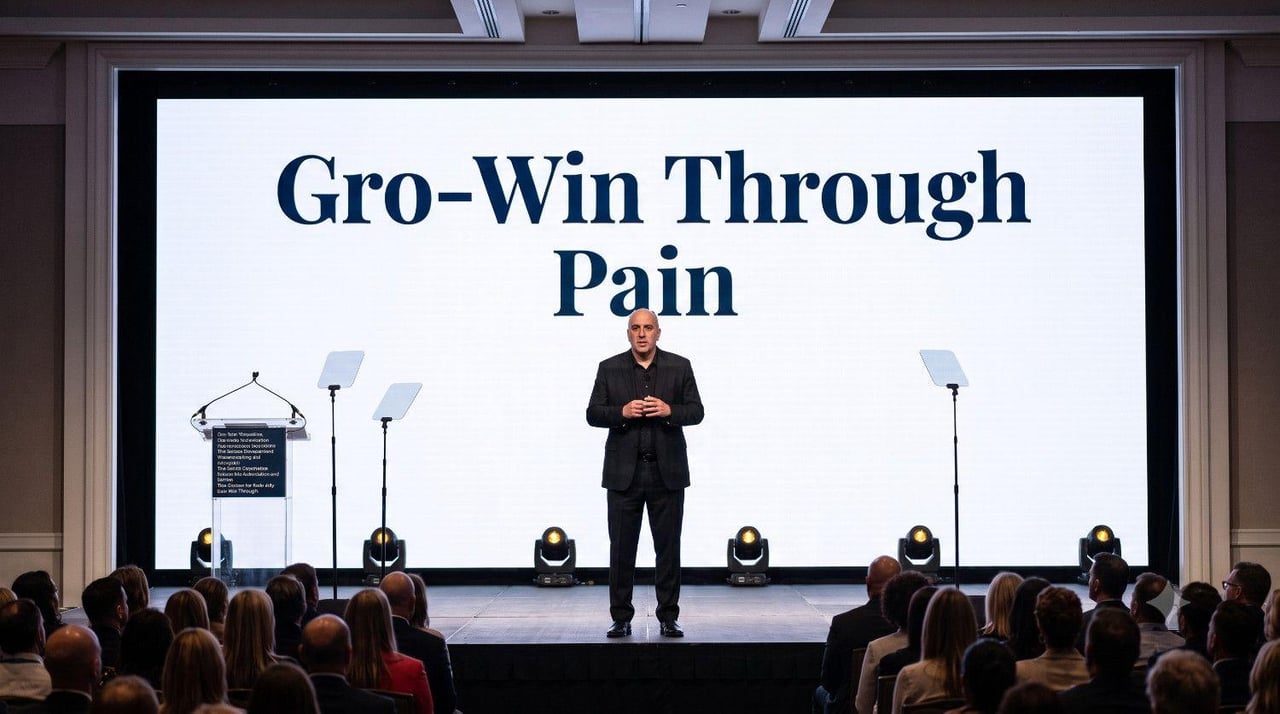
That's the shift I explored on my podcast, Make Yourself at Home, when I sat down with Craig Sotkovsky, founder of the Gro-Win Through Pain Framework. Craig is a 9/11 responder, a lung cancer survivor, a real estate investor, and an international speaker who has spent decades studying how mindset and the subconscious mind shape the way we live, love, and invest.
Here’s a preview of that episode:
Why I Had This Conversation
Craig's story pulled me in immediately. He volunteered during the 9/11 cleanup, later developed lung cancer from that exposure, and has spent over a decade rebuilding his health, his finances, and his mindset, sometimes from scratch, more than once. He's gone through more than a dozen surgeries in the last eight years alone, and he still wakes up in pain most mornings.
What struck me most is that Craig doesn't separate his real estate career from his personal healing. He sees them as the same muscle. He told me that beating cancer made him a better entrepreneur, and being an entrepreneur his whole life is part of what helped him survive cancer in the first place.
That perspective is exactly why I wanted him on the show, and why I think it matters for anyone rebuilding themselves after hardship.
Watch the full episode here:
Understanding the Reticular Activating System
Craig introduced a concept most of us have never heard, even though we experience it daily: the reticular activating system. It's the part of our brain that filters what we notice based on what we've already told it matters.
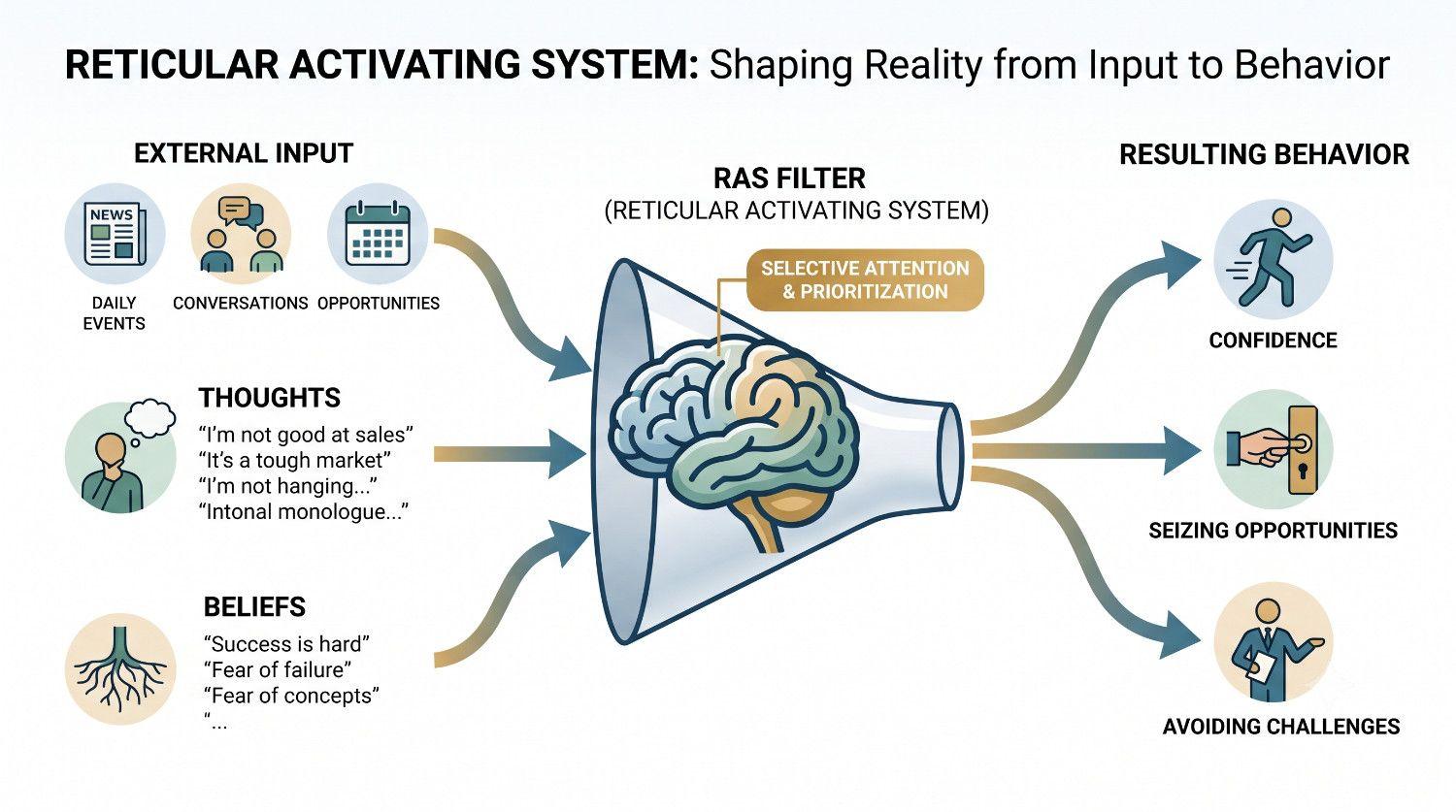
He also connected this filtering system directly to sales and negotiation, saying that the more rejection you can mentally absorb without flinching, the more your reticular activating system stops treating "no" as a threat.
Epigenetics and Rewiring Emotional Attachment
"You have to be able to change your emotional attachment to past circumstances and events. Once you do that, this game of life changes tremendously."
–
Craig has spent years studying epigenetics, not to change his biochemistry, but to change his relationship to past trauma. He described surviving molestation as a child, addiction, bankruptcies, and cancer, and said none of it carries emotional weight for him anymore.
That's not the same as pretending it didn't happen. Craig was clear that the work is uncomfortable, repetitive, and slow. But the payoff is a mind that isn't hijacked by old pain every time something new goes wrong.
Creative Financing on Your Own Terms
Craig built one of the first online repositories for owner-financed and lease-purchase real estate properties back in 2005. His approach to deals has always leaned on creative financing strategies rather than traditional bank pathways.
He talked about driving two hours outside a city, calling sellers directly from small-town newspapers, and structuring deals with sellers most investors overlook. His advice was simple: the best opportunities are rarely the ones everyone else is chasing online.
He also mentioned a strategy he's targeting right now: buying up land near private airports in rural communities, where prices are still low but demand is starting to climb.
And he's a big believer in keeping tenants and property management structured across different states, so disputes stay inconvenient for anyone looking to take advantage.
Building Emotional Resilience Through Pain
"I've lost everything multiple times, and it means nothing to me because I don't have cancer, and this is nothing to a giant."
–
Craig's version of emotional resilience isn't about pretending things don't hurt. It's about refusing to let circumstances define his identity, whether that's a hurricane wiping out a portfolio or a hacker erasing years of work overnight.
He credits this mindset to sitting with discomfort instead of numbing it, which is a practice he now teaches to coaching clients and real estate investors who want to build the same kind of staying power he had to earn the hard way.
One habit he shared that stuck with me: instead of asking someone "how are you," he asks what the best part of their day was. It's a small shift, but he says it retrains the brain to recall good moments instead of rehearsing complaints.
Detachment and the Power of Letting Go
One of the more counterintuitive lessons Craig shared was around detachment, and at first, it caught me off guard. He talked about needing detachment even from his own children, not in the sense of loving them less, but in refusing to let constant worry about things that will probably never happen run his nervous system.
He pointed out that most of us spend our mental energy bracing for outcomes that never materialize, and that habit alone keeps our stress response switched on long after the actual threat is gone. The same pattern shows up in business and real estate, where fear of a deal falling through or a client walking away can cloud judgment before anything has actually gone wrong.
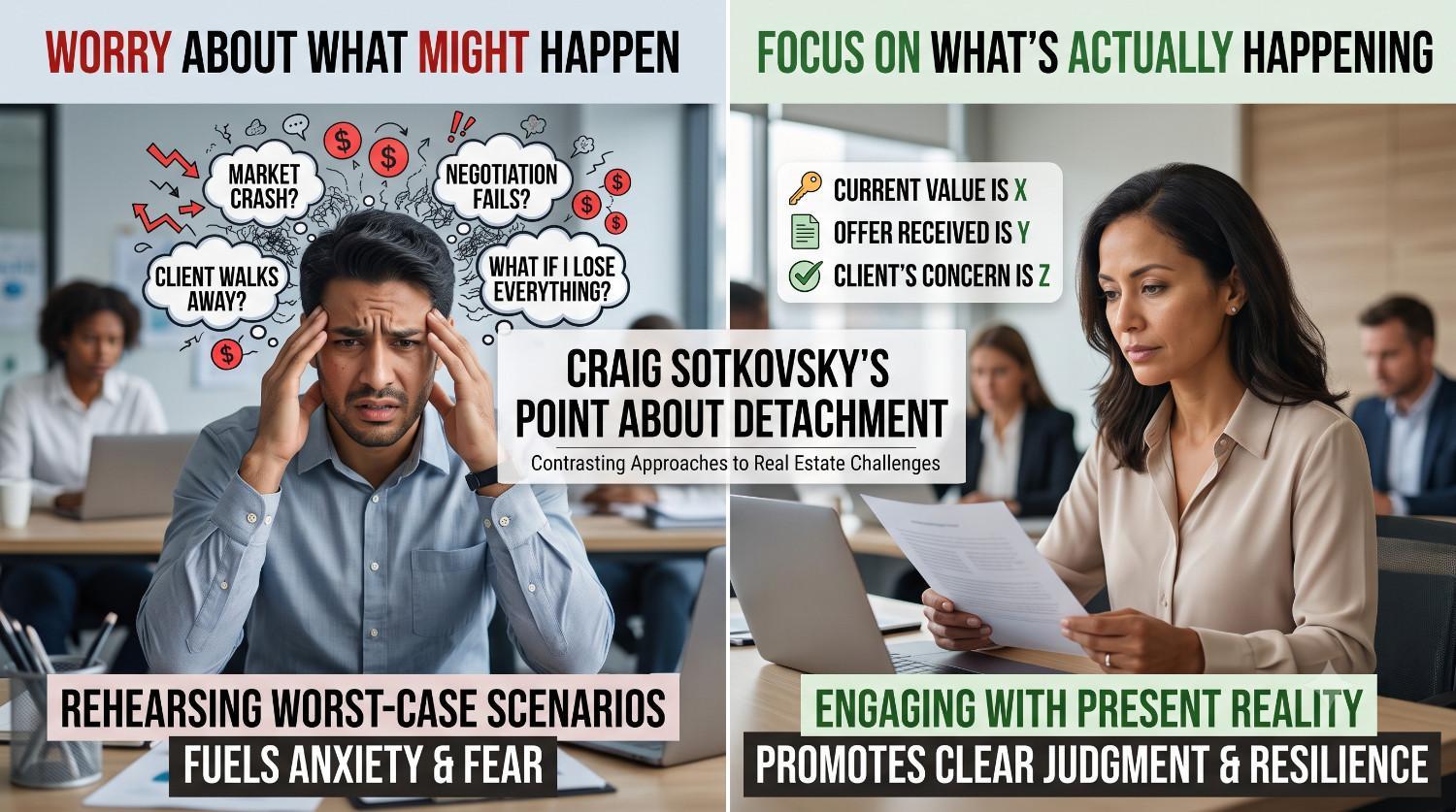
Craig's approach is to stay rooted in a clear set of values and priorities, while staying loose about how any single outcome unfolds. He described it as being flexible enough to bend without losing your foundation, comparing it to a tree that survives a storm because its roots run deep, not because its branches stay rigid.
For me, that reframes patience not as passivity, but as a discipline you build on purpose (one uncomfortable moment at a time), especially when the instinct is to control every variable in a negotiation or a client relationship.
What Changed for Me After This Conversation
"Everything is a mindset. And like I said before, this is the only real estate you can own, so you might as well live in a mansion."
–
My conversation with Craig reminded me why I started At Home in the Carolinas in the first place. Real estate has always been personal to me, not just transactional. His principle that our mindset is "the only real estate we truly own" is something I keep coming back to.
It also reminded me that healing and building wealth aren't separate journeys. The way we treat ourselves shows up in the way we negotiate, invest, and show up for clients browsing real estate properties with us.
Want to hear my full conversation withCraig Sotkovsky, founder of the Gro-Win Through Pain Framework, on how to rewire your mind after trauma?
Frequently Asked Questions
What is the reticular activating system?
It's the part of the brain that filters incoming information based on what you've told it to prioritize, which is why your focus shapes what you notice and experience.
How does epigenetics relate to trauma and mindset?
Craig explains that, while you can't change your biochemistry directly, you can change your emotional attachment to past events, which shifts how your body and mind respond to them.
What is Craig Sotkovsky's Gro-Win Through Pain Framework?
It's Craig's coaching approach that combines mindset work, subconscious reprogramming, and real-world resilience training, drawn from his own recovery from trauma, addiction, and cancer.
Apply as a Guest on the Make Yourself at Home Podcast
Real estate is personal. Life is personal. If you've built something meaningful out of hardship, resilience, or an unconventional path—and are actively working in real estate, investing, or coaching—with insights that could genuinely help our listeners, I'd love to have you on my show!
Make Yourself at Home is produced by Icons of Real Estate, the #1 Real Estate Podcast Network. If you are a real estate professional, apply to be a guest speaker across the network!