Every property I've ever helped a family buy comes with dreams attached to it—vacation memories, retirement plans, and something to hand down one day. But dreams don't protect themselves. Without the right legal groundwork, even the home you worked hardest for can end up tangled in court, drained by fees, or divided in ways you never intended. That's the uncomfortable truth most homeowners and investors don't think about until it's too late.
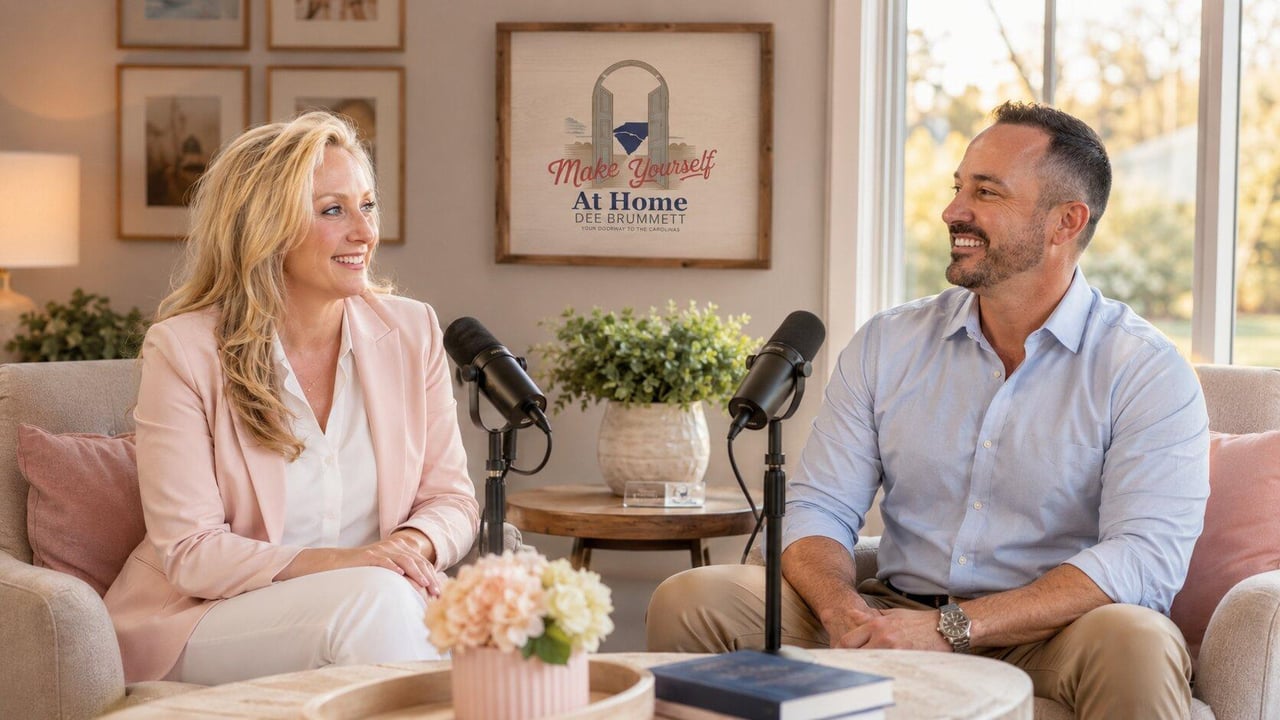
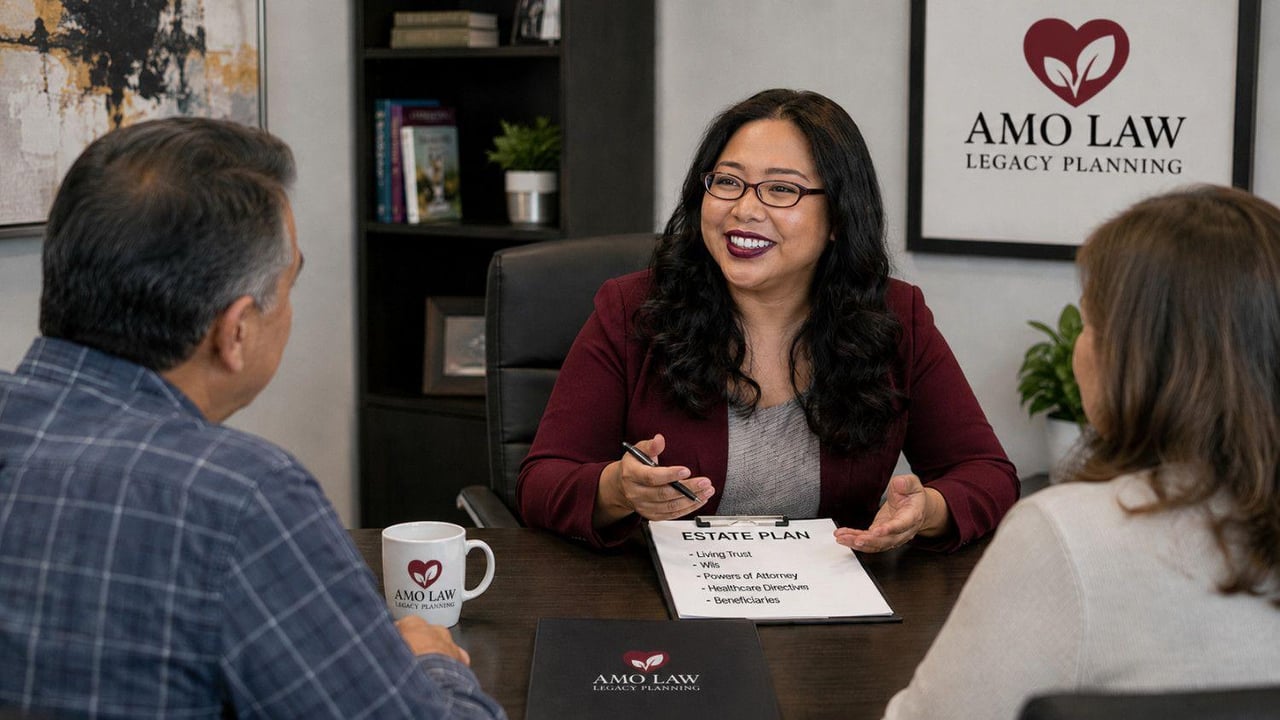
It's exactly why I invited Cecilia Amo of Amo Law Legacy Planning onto my podcast, Make Yourself at Home. Cecilia is an estate planning attorney, author, and the founder of Amo Law, and she's spent her career helping California families protect what they've built instead of leaving it exposed. Our conversation covered everything from living trusts to digital assets, and honestly, it changed how I think about my own paperwork.
Here’s a preview of that episode:
Why I Had This Conversation
As a real estate agent, I've sat across the table from more grieving families than I'd like to admit: people trying to sell a house stuck in probate, unsure who even has authority to sign the paperwork. It's slow, it's expensive, and it's completely avoidable.
That's why I wanted Cecilia on my show. She's the author of Your After-Credits Scene: A Nerd's Guide to Wills, Trusts, and Legacy, and through Amo Law, she's helped families across Orange, Los Angeles, San Bernardino, Riverside, and San Diego counties get ahead of exactly these problems. I wanted my listeners, especially the investors and homeowners, to hear directly from someone who does this work every single day.
What struck me most is how often Cecilia sees the same mistake: people assume estate planning is only for the wealthy or elderly. She made the case that if you own even one piece of real estate, you already have an estate that needs a plan.
Watch the full episode here:
Why Every Real Estate Investor Needs a Living Trust
Now, why does a living trust matter even more for real estate investors than for the average homeowner?
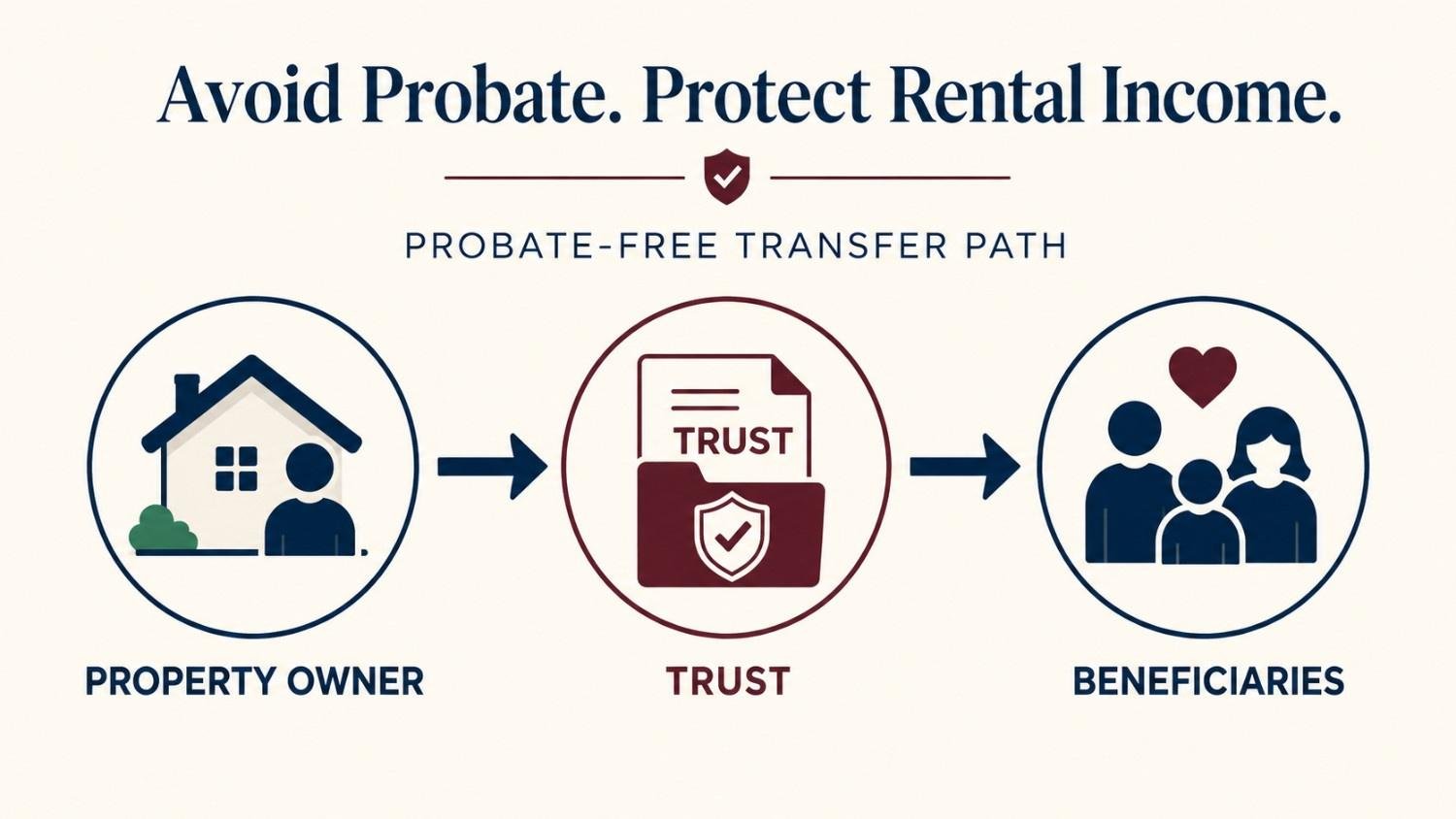
If you own multiple properties—say, a primary residence plus a couple of rentals—each one titled only in your name has to pass through probate separately. That means court oversight, filing fees, and months (sometimes years) before your heirs can access the property at all.
A properly funded trust sidesteps all of that. Cecilia was clear that for anyone building a portfolio, this isn't a nice-to-have; it's foundational.
She also pointed out that estate planning isn't a one-time task you check off. It needs to grow alongside your properties.
Avoiding Probate and Protecting Rental Income
"People think probate is just paperwork, but it's a public court process that can freeze rental income, delay repairs, and leave tenants without anyone authorized to make decisions. I've watched families lose thousands of dollars simply waiting on a judge's calendar."
–
That line stuck with me because I've seen it play out with clients here in the Carolinas, too. When a rental property sits in limbo, everyone loses, like the family, the tenants, and the neighborhood.
Cecilia's approach to trust-based planning is designed to keep income-producing properties running smoothly no matter what happens to the owner and to help families avoid probate entirely when it comes to real estate they've worked hard to build.
We also talked about how this applies beyond the West Coast. If you're weighing whether to expand into investment properties in the Carolinas, the same principle holds: title and structure matter just as much as location.
Preserving Generational Wealth the Right Way
Cecilia's biggest passion, beyond the legal mechanics, is helping families pass down more than property. She wants them to pass down intention. We spent a good chunk of our conversation on generational wealth and what it actually takes to preserve it responsibly.
Her advice wasn't just "set up a trust and walk away." She talked about naming the right trustees, having honest conversations with heirs before anything is ever needed, and building in flexibility for changing family circumstances. Money and property without guidance, she said, rarely survive a second generation intact.
The Dangers of DIY Estate Planning
"A generic trust document downloaded from a website might look official, but it's rarely tailored to your actual assets, your state's laws, or your family's real situation. I've had to help families untangle documents that created more problems than they solved."
–
Her point wasn't to scare anyone away from planning, but the opposite. She wants people to actually start, just with the right guidance so the plan holds up when it matters most.
Organizing Digital Assets and Business Interests
Cecilia pointed out that most people have no plan for their online accounts, cryptocurrency, digital files, or business login credentials, and without instructions, families can lose access entirely.
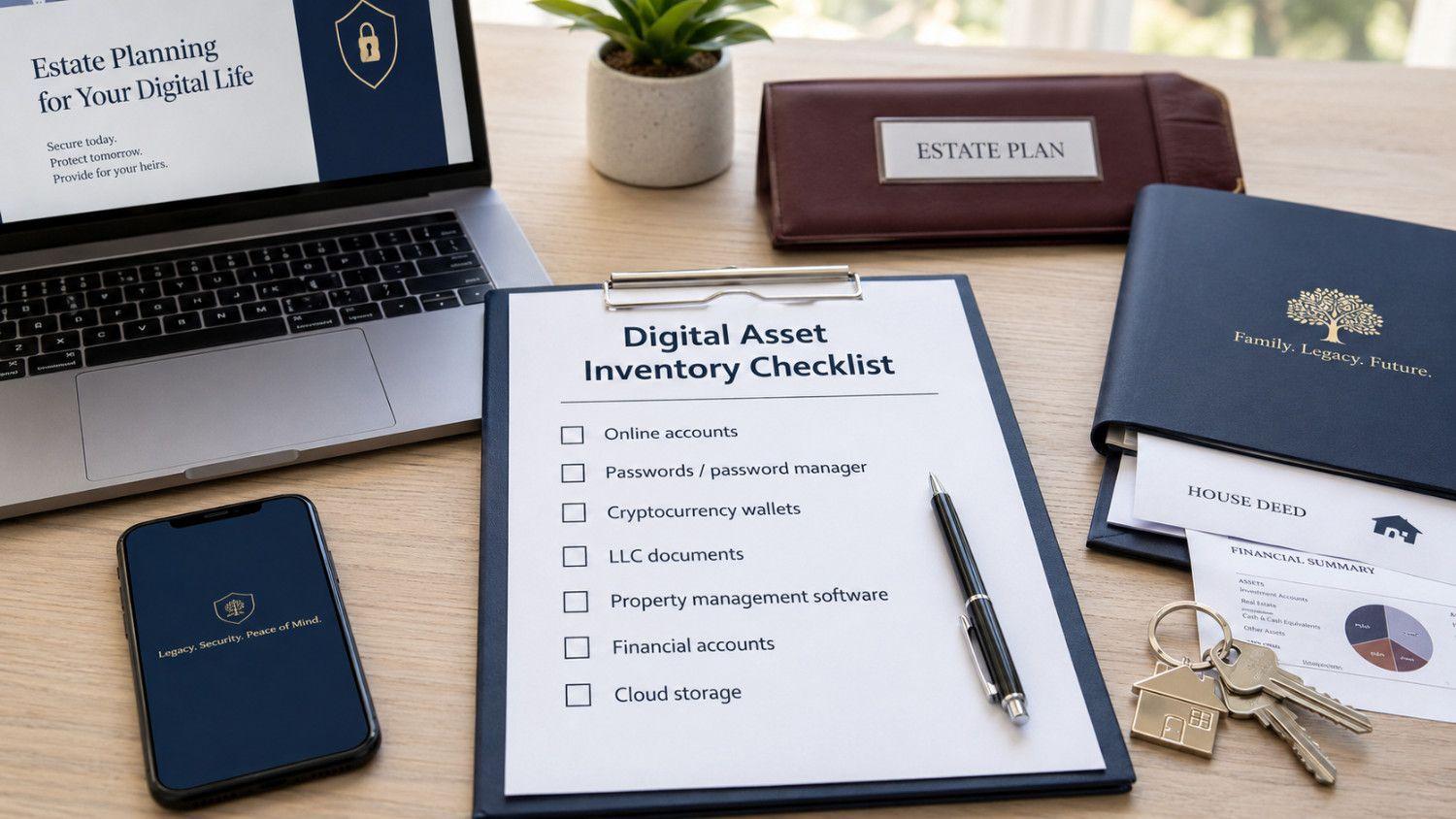
For real estate investors especially, this often means LLC documents, property management software, and financial accounts scattered across platforms with no clear map for an heir to follow. In terms of digital estate planning, Cecilia recommends building a simple digital inventory alongside your trust so nothing important gets left behind.
What Changed for Me After This Conversation
"Estate planning isn't about preparing for the worst — it's about making sure the people you love aren't left guessing during the hardest moments of their lives."
–
Since my conversation with Cecilia, I've started reviewing my own documents with fresh eyes and encouraged more of my clients to talk about estate planning early rather than after a property closes. Asset protection isn't just a legal category. It's part of how I now talk with buyers and investors about what ownership really means long-term.
Talking with Cecilia Amo of Amo Law Legacy Planning reminded me that the paperwork we put off is usually the paperwork that matters most. Talk to someone, like Cecilia, before life forces the issue. Protecting your properties, your business interests, and the people you love shouldn't wait for a crisis to make it urgent.
Want to hear my full conversation with Cecilia on the importance of estate planning and building generational wealth?
Frequently Asked Questions
Does every real estate investor really need a living trust?
If you own more than one property, or any property you'd like to pass down without a lengthy court process, a living trust is one of the most effective tools available for protecting it.
What happens if I don't have an estate plan in place?
Your assets, including real estate, are typically distributed according to state probate law—a public, often slow, and sometimes costly process that may not reflect your actual wishes.
Can I set up a trust for properties in more than one state?
Yes. A properly structured trust can hold and manage properties across multiple states, which is especially useful for investors expanding beyond their home market.
Apply as a Guest on the Make Yourself at Home Podcast
Real estate is evolving, and so are the conversations property owners and investors need to be having. If you're actively working in this industry as an agent, attorney, lender, or specialty service provider, and you have insight that could help other homeowners and investors protect what they've built, we'd love to hear from you!
Make Yourself at Home is produced by Icons of Real Estate, the #1 Real Estate Podcast Network. If you are a real estate professional, apply to be a guest speaker across the network!