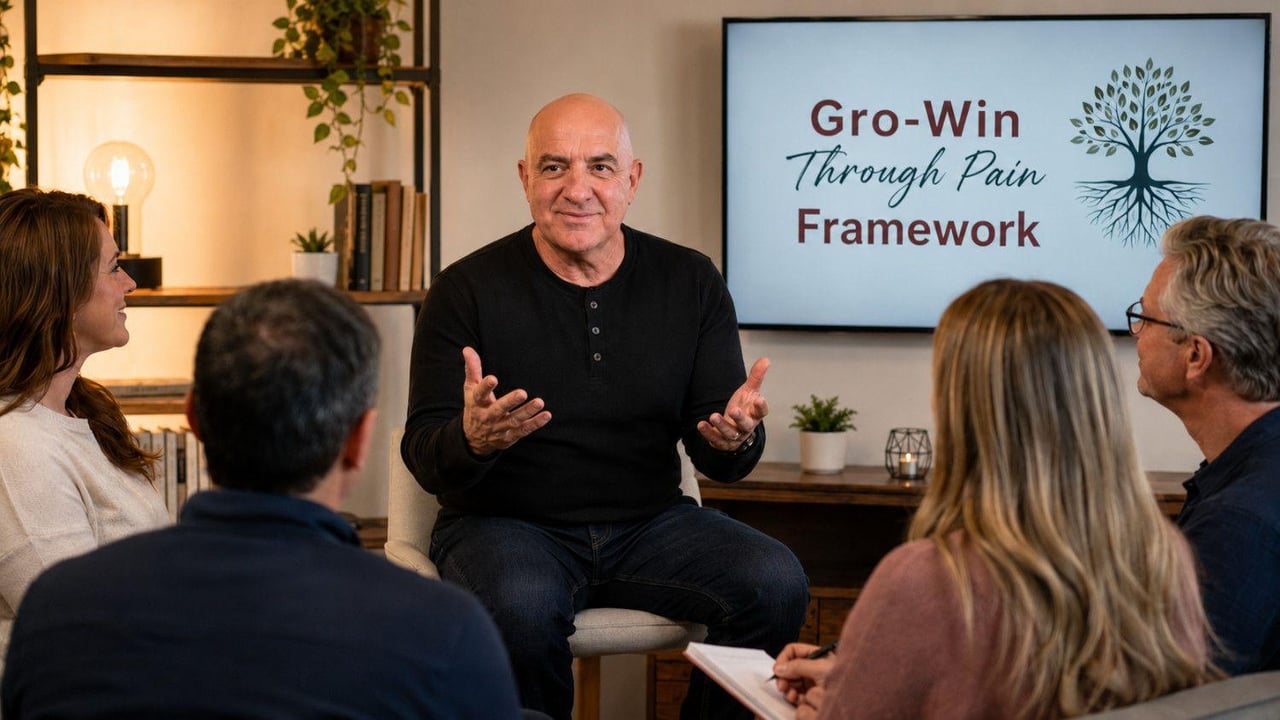
There's a version of every hard season that turns into fuel instead of scar tissue. Most people never find it, because finding it means sitting still with the parts of your story you'd rather skip past.
That's exactly the territory that Craig Sotkovsky, creator of the Gro-Win Through Pain Framework, and I explored on my podcast. Craig is a repeat guest on my show, an international speaker, mindset coach, and real estate investor with three decades of experience helping entrepreneurs reclaim their purpose.
This time, we went deeper into the shifts he's built into what he now calls the Gro-Win Through Pain Framework, and I wanted to bring every piece of it back to you.
Here’s a preview of that episode:
Why I Had This Conversation
Craig and I have talked before, mostly about the 9/11 fund he's dedicated so much of his life to. Our second conversation went deeper. I wanted to understand how surviving cancer, four separate cancer scares, and decades of physical pain reshaped how Craig approaches entrepreneurship, personal resilience, and legacy building.
Between running At Home in the Carolinas and hosting my podcast, I try to bring guests on who've lived the thing they're teaching, not just guests who talk theory. Craig spent six years sitting in what he calls "his dark," and what came out of it applies just as much to investors and business owners as it does to anyone rebuilding after loss.
Watch the full episode here:
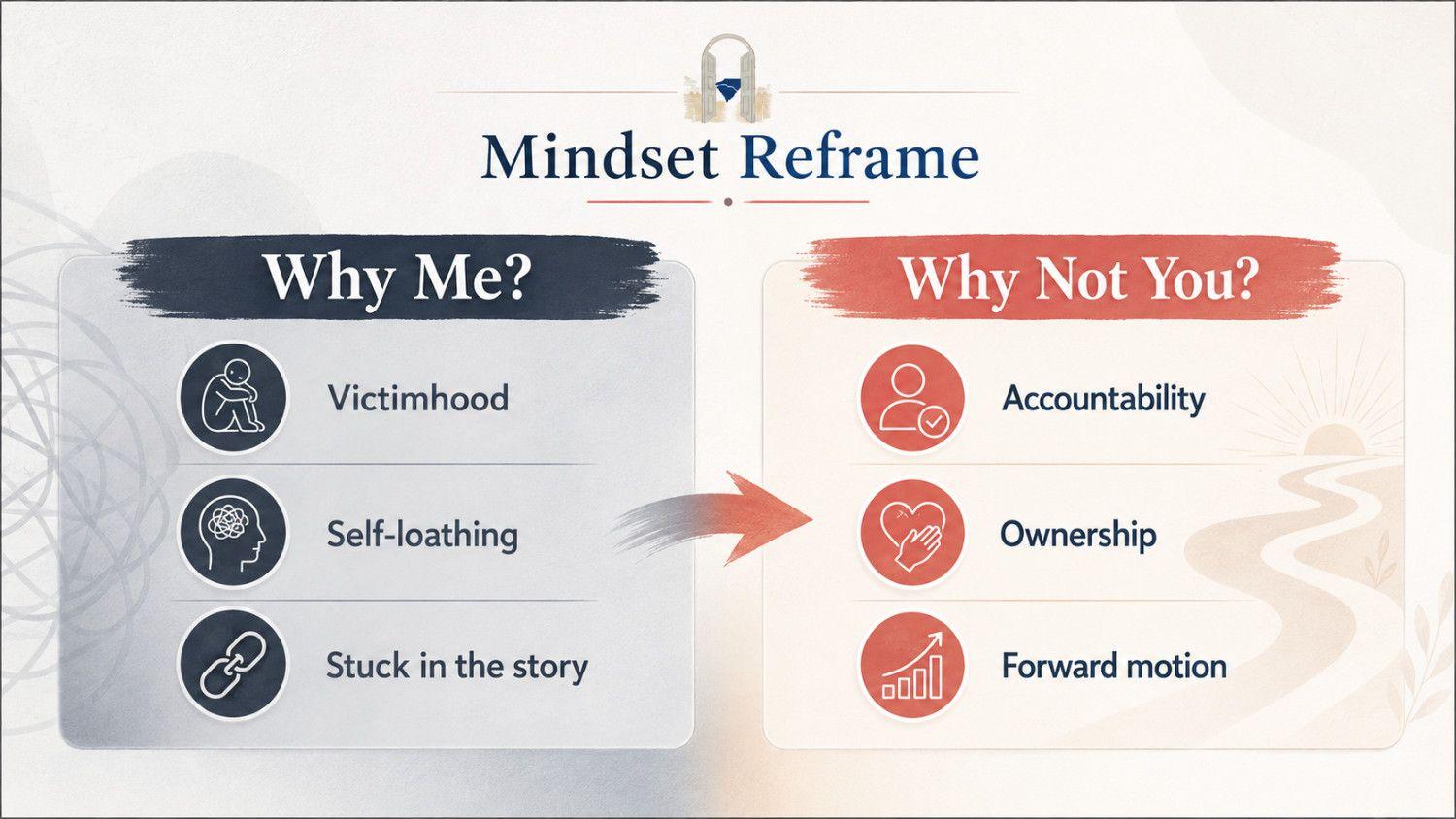
The Shift From "Why Me?" to "Why Not You?"
When Craig was first diagnosed, his instinct was the same one most of us have: why me? For a long time, that question kept him stuck in self-pity.
The real shift happened when he flipped it. Bad things happen to great people, and good things happen to people who never earned them either. Once Craig accepted pain wasn't a punishment, he stopped asking why it happened to him and started asking what he could build from it.
Sitting in the Dark Before You Can Heal
Craig doesn't tell people to "process their trauma" in the abstract. He tells them to physically sit, close their eyes, and listen to the silence in their own head, because that silence is often louder than anything happening around them.
"Nobody's going to save you other than yourself. It's the hero's journey we all have to go on. You have to become the producer, the director, the actor, the grip—you have to become everybody in this movie."
–
Craig spent roughly six years largely self-isolating while his body recovered from surgery after surgery, using that forced stillness to do what he calls "the dark work." He meditated for hours at a time, listened to tones and frequencies, and slowly rebuilt his own emotional healing process from the ground up. He was molested as a child and didn't fully process it until his 40s, walking off speaking stages feeling like a fraud even while audiences applauded him. Sitting in that discomfort, rather than running from it, is what finally let him move through it.
Building a Morning Routine That Programs the Day
One of the most practical takeaways from this episode is how deliberately Craig starts every single day. Before he even gets out of bed, he says thank you out loud. He's grateful he's breathing, because there were plenty of mornings in his recovery when that wasn't guaranteed. Then he listens to teachings on the greatness already inside him for close to an hour, before the news, before social media, and before anyone else's agenda gets a foothold in his head.
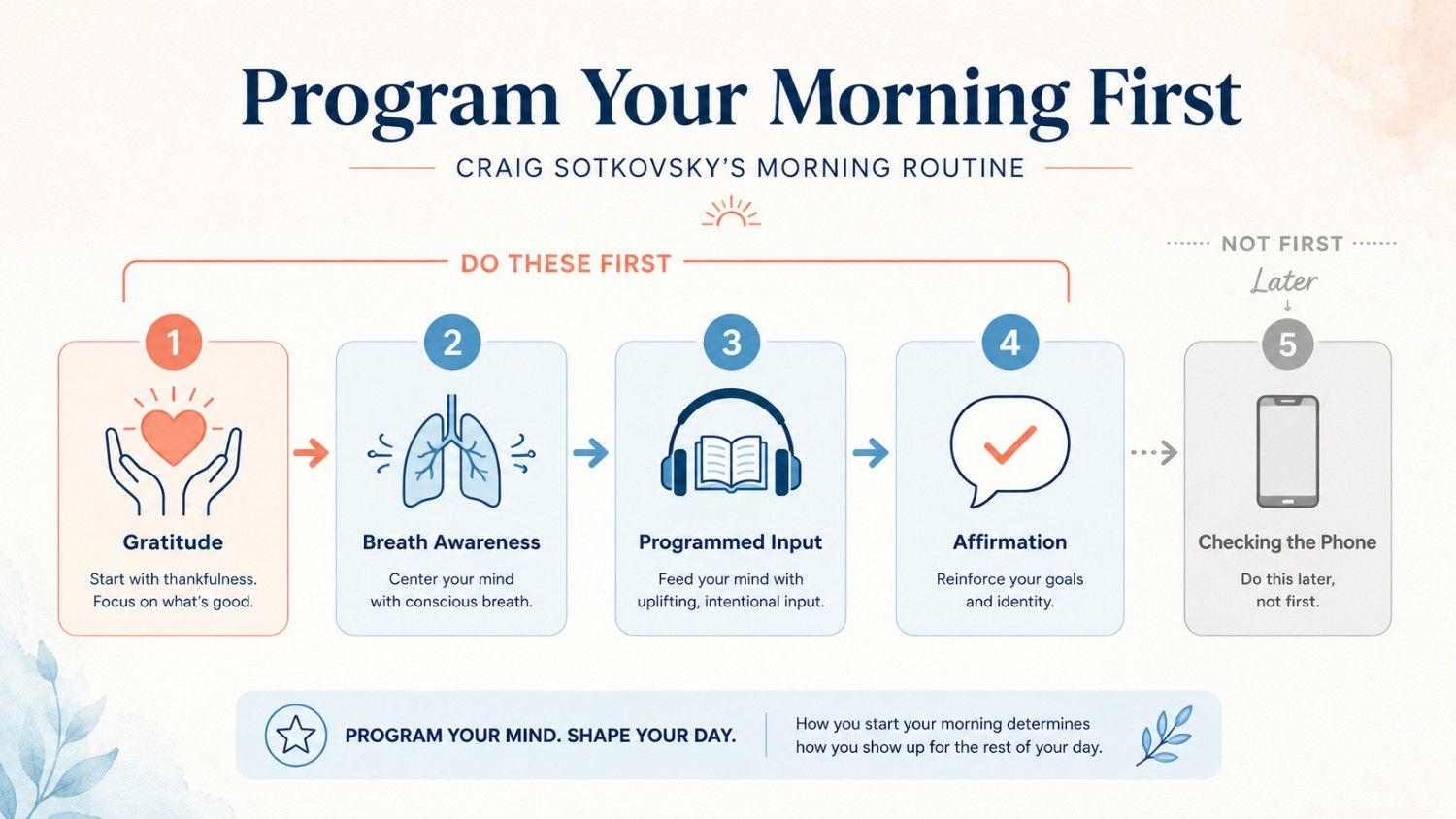
Craig's point is that most of us wake up and let a headline or notification set our emotional tone for the day. His routine flips that, so he's doing the programming, not his feed. This is a piece of mindset coaching any entrepreneur or investor can borrow, whether or not they've been through what Craig has
Rewriting the Limiting Belief That We're Not Enough
I asked Craig what the most common amonglimiting beliefsis that keeps people from taking action, and his answer didn't take long: believing we're not enough. He pointed out something I think about often myself, that most of us would never speak to a friend the way we speak to ourselves, yet we let that inner voice run the show.
"Instead of focusing on what happened, focus on the little child within you who's still here. That child is going to look at you, the adult, and say, 'Wow, you've become this amazing person. Thank you.' When you practice that perspective every day, things start to change."
–
Craig's approach isn't about ignoring what happened to you. It's about showing up for the younger version of yourself the way an adult finally can, instead of staying stuck relitigating the past. He calls it throwing love at the situation instead of throwing fear at it, and it's a tool anyone navigating a hard relationship, a business setback, or an old wound can use immediately.
What Changed for Me After This Conversation
"Rich isn't anything that you own. Rich is who you become in the process of building."
–
That line has stayed with me since we recorded. Working in real estate every day, it's easy to measure success purely in transactions and closings. Craig's version of true wealth changed that for me. He talked about living without running water or electricity in Mexico and calling it one of the happiest periods of his life, simply because nothing external was telling him what to want.
That's part of why I believe in guiding people through a home search the right way instead of rushing them to a number. If you're ready to start searching and buying a home, I want the process to feel like it's building something real, not just checking a box. Craig also talks openly about the hidden costs of entrepreneurship in his book, Everybody Pays a Vig, which pairs well with what he shared here about accountability.
I now think differently about what "having it together" means, and I apply that lens to how I coach clients through big financial decisions.
Want to hear my full conversation with Craig on rewiring pain into purpose?
Frequently Asked Questions
What is the Gro-Win Through Pain Framework?
Craig Sotkovsky's approach to turning trauma and hardship into deliberate growth, built around sitting with discomfort instead of avoiding it.
How did cancer change Craig Sotkovsky's approach to entrepreneurship?
It pushed him to stop chasing external validation and focus on daily meditation, gratitude, and affirmations that rebuild resilience from the inside out.
What is the biggest limiting belief holding entrepreneurs back, according to Craig?
Believing we're not enough, and overcoming it starts with treating yourself with the same compassion you'd offer a friend.
Apply as a Guest on Make Yourself at Home
Conversations like the one I had with Craig Sotkovsky, creator of the Gro-Win Through Pain Framework, are exactly why I keep doing my show. If you're doing the hard work of rebuilding a life or business in real estate, mindset coaching, or any resilience-driven field, I'd love to have you on!
Make Yourself at Home is produced by Icons of Real Estate, the #1 Real Estate Podcast Network. If you are a real estate professional, apply to be a guest speaker across the network!