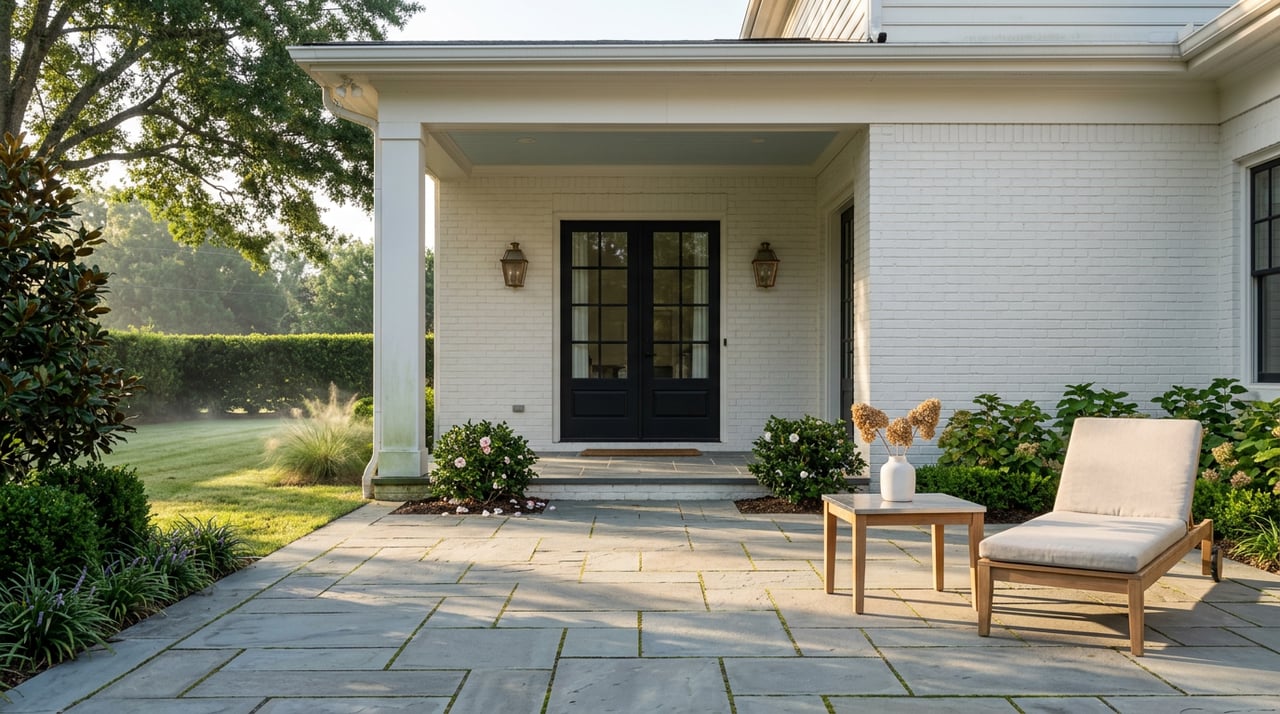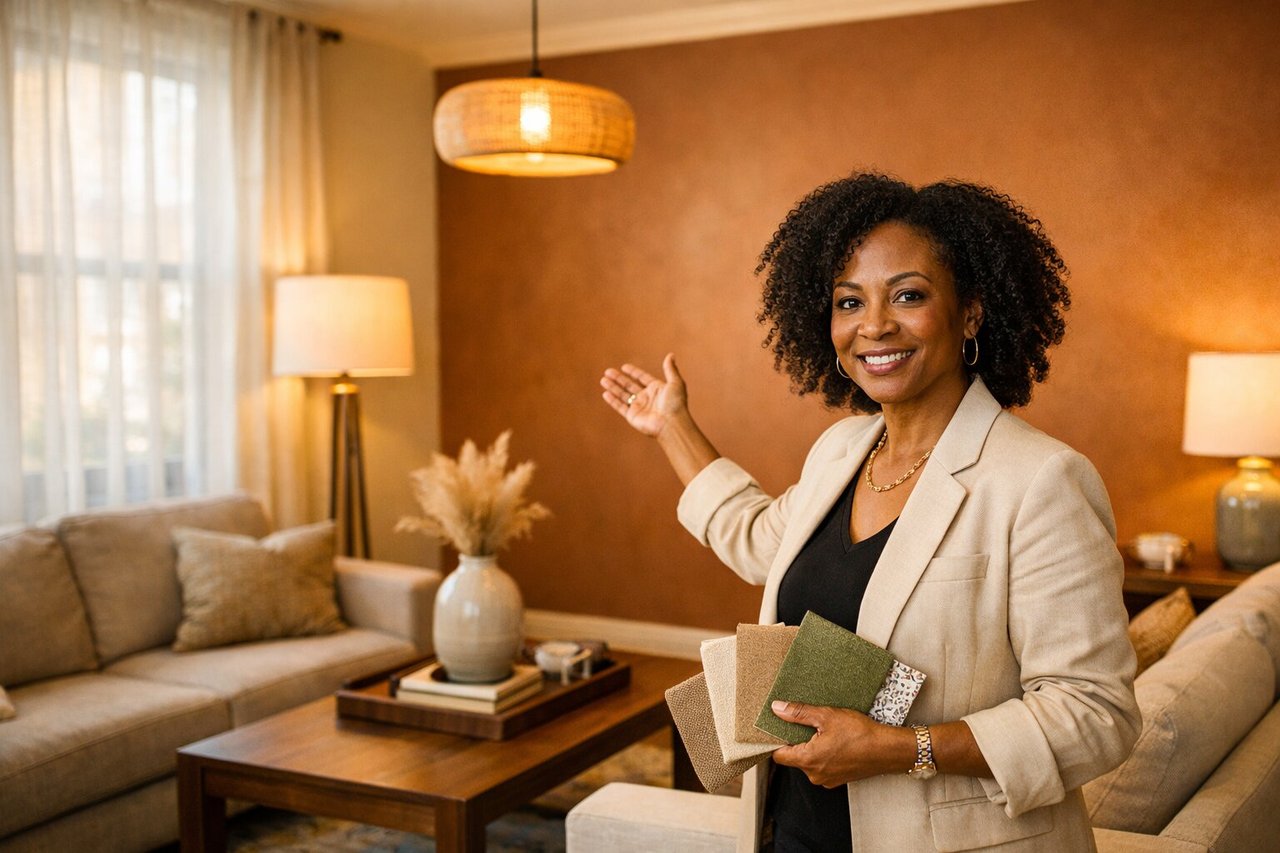
A welcoming home is intentionally created, where every element—furniture, lighting—works in harmony to enhance the atmosphere. This thoughtful design sets the right tone for hosting guests or finding peace after a long day.
But what if your home could work with you instead of against you?
I sat down with Sabine Hayes, interior designer and founder of Georgette Maurice Interior Design, on the Make Yourself at Home podcast, and she shifted how I think about preparing for the holiday season. Her approach isn't about chasing trends. It's about intention. It's about creating spaces that support your peace, your family, and your desire to connect.
Here is how you can start building that kind of home today.
Who Is Sabine Hayes of Georgette Maurice Interior Design?
Sabine Hayes is a Philadelphia interior designer and founder of Georgette Maurice Interior Design, named after her late grandmother and her mother. Hospitality runs in her blood. She grew up watching her grandmother host friends in a tiny Manhattan apartment and her mother welcome crowds with unhurried grace.
"I see what I do as serving people by creating environments that support their clarity, their peace, and their joy. It’s more than just giving someone a pretty home. It’s about how your home works for you. I want people to enjoy being home, to feel re-energized there, and to feel confident inviting others in."– Sabine Hayes
That philosophy drives every project. Whether working with a family of five in Philadelphia or consulting remotely with clients in the Carolinas through virtual E‑Design, Sabine starts by listening to how the people inside the house actually live.
What Is Intentional Interior Design?
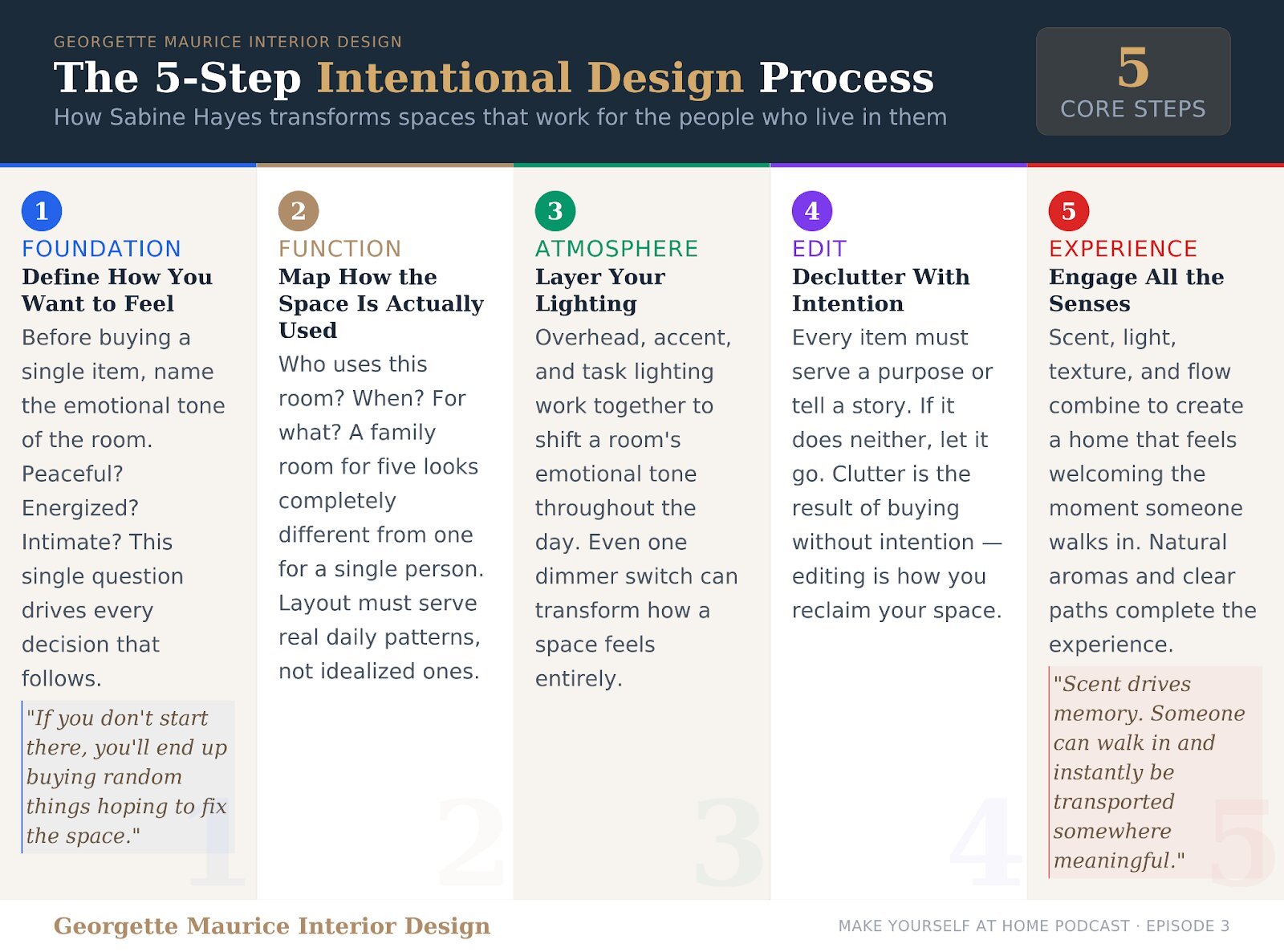
Intentional interior design begins with one question: How do you want to feel in this room?
Before selecting paint, furniture, or decor, you must define the emotional tone. A room’s purpose determines layout, lighting, color palette, and storage decisions. Intention prevents costly design mistakes and trend-chasing.
"Intentionality is the foundation of creating the home of your dreams. You have to ask yourself, how do you want to feel in this room? Because if you don’t start there, you’ll end up buying random things hoping to fix the space, but you haven’t defined its purpose."
– Sabine Hayes
To create a dramatic and intimate living room, opt for deep colors and layered lighting. For a light and airy space, choose different colors and lighting. The key is to make purposeful choices.
As Architectural Digest notes, the best interior design creates environments that quietly support human experience, focusing on how people actually use a space rather than how it looks in a photograph.
This one shift prevents more interior design mistakes than almost anything else. When you know the emotional tone you are chasing, you stop impulse‑buying and start building a room that supports how you actually live. If you need guidance in structuring your design journey, this podcast framework helps gather your thoughts before working with a professional.
How to Create a Welcoming Home for Guests
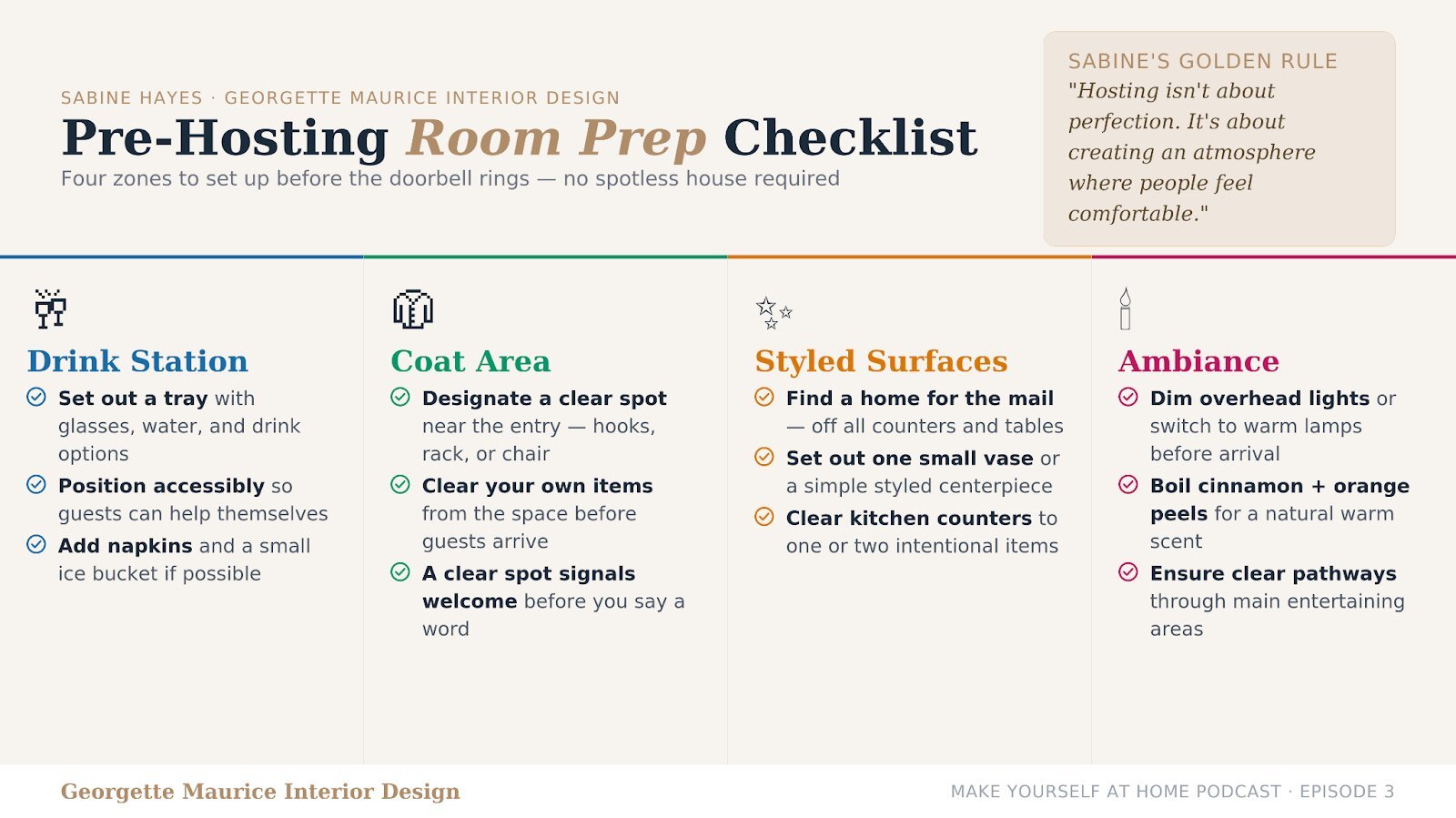
How to create a welcoming home becomes easier when your space is set up to handle it. Sabine suggests thinking in zones before the doorbell rings.
Create a dedicated drink station. A tray with glasses and water lets guests help themselves. Designate a place for coats. A clear spot signals welcome before you say a word. Style your surfaces ahead of time. Find a home for the mail. Clear kitchen counters. Set out a small vase. It doesn't require a spotless house. It requires a house that feels ready for company.
"Hosting becomes easier when your home works with you instead of against you. Create zones — like a drink station or a designated place for coats. Style your surfaces ahead of time so daily clutter isn’t overwhelming. And remember, hosting isn’t about perfection. It’s about creating an atmosphere where people feel comfortable."– Sabine Hayes
Here’s a simple pre-hosting checklist to get your space guest-ready:
-
Create a dedicated drink station with a tray, glasses, and water so guests can help themselves
-
Designate a clear spot for coats—a signal of welcome before you say a word
-
Style your surfaces ahead of time: find a home for the mail, clear kitchen counters, and set out a small vase
-
Focus on connection over perfection—the mindset matters more than the decor
When you design for entertaining with intention, the pressure lifts. These strategies apply whether you’re hosting Thanksgiving or a casual Sunday gathering.
Multifunctional Living Spaces for Modern Families
Most of us don't have rooms that serve only one purpose. The dining table doubles as a homework station. The living room handles movie nights and Lego empires. Creating multifunctional living spaces requires intentional thought.
Sabine encourages families to embrace this reality.
"Ask yourself, how is this space being used? Who’s using it? A family room for a single person looks very different than one for a family of five. The layout has to allow conversation, comfort, and flexibility — whether there are two people in the room or ten."
– Sabine Hayes
That kind of thoughtful layout is exactly what I look for when helping families find their next home. Over the years, I have worked with buyers across the region—from first-timers to growing families—and you can read their stories in our Testimonials. They are the reason I love what I do.
Flexible Family Room Design Elements
|
That is the essence of designing a home for entertaining while still serving daily life. To hear more conversations like this, explore the podcast network that makes this show possible. You can also visit the Icons hub for more resources.
Lighting in Interior Design — The Emotional Multiplier
You can have the most gorgeous room, but if the lighting in the interior design is harsh, nobody will want to be in it.
Layered lighting—overhead fixtures, accent sconces, and task lamps—allows a room to shift moods throughout the day.
"You could have the most gorgeous room, but if it’s not well lit, nobody’s going to see it. Layered lighting — overhead, accent, and task — completely shifts the emotional tone of a space. Even something as simple as adding a dimmer can transform how a room feels."– Sabine Hayes
Lighting Type |
Purpose |
Best For |
|
Overhead / Ambient |
General illumination |
Daily function, cooking, and cleaning |
|
Accent / Sconce |
Highlight architecture or art |
Creating mood, visual depth |
|
Task Lamp / Floor Lamp |
Focused light for activity |
Reading, homework, crafts |
|
Dimmer Switch |
Control intensity |
Transitioning from day to evening |
Even small changes make a difference. Rechargeable sconces require no electrician. A floor lamp in a dark corner transforms a room. Lighting is experiential.
The Power of Scent in Interior Design and Real Estate
Scent matters. A house that smells like last night's fish sends buyers running. But scent can work in your favor.
Sabine keeps it simple.
"Scent drives memory. Someone can walk into your home and instantly be transported somewhere meaningful. I prefer natural scents — boiling cinnamon sticks and orange peels is one of the easiest ways to create warmth without overpowering the space."
– Sabine Hayes
This connection is backed by research. Studies reveal that scent shapes emotional responses and memories, with congruent color-odor pairings enhancing cognitive performance.
That trick works for holiday hosting tips and home staging tips alike. It smells natural and intentional—not like you are hiding something. Scent taps into memory in ways visuals cannot. Sabine once had a client become emotional because a fragrance reminded her of her late father. That connection is powerful. In real estate, it helps buyers imagine themselves living in a space.
� Natural Scent Tip:Skip synthetic air fresheners. Boil cinnamon sticks and orange peels on the stovetop for 20 minutes before guests arrive or during a home showing. It smells intentional—not like you’re hiding something. |
Common Interior Design Mistakes to Avoid
If you have ever felt overwhelmed by clutter, you are in good company. Sabine sees the same interior design mistakes repeatedly.
"People start with decor and not intention. They buy random things hoping to fix a room, but they haven’t defined how the space should function or feel. And when you feel like you need to fill every nook and cranny, that’s when clutter starts taking over."– Sabine Hayes
The most common mistakes to avoid:
-
Starting with decor before defining the room’s purpose or emotional tone
-
Overbuying and chasing trends that leave your home feeling dated in 18 months
-
Trying to fill every surface, corner, and shelf
Not decluttering regularly—this should be an ongoing practice, not a one-time event
That leads to overbuying. It leads to chasing trends that leave your home feeling dated in eighteen months.
The fix starts with decluttering tips, which is an ongoing practice of asking what no longer serves you. That vase you never found a spot for? Let it go. Those five extra throw blankets? Keep one and donate the rest.
Every item should serve a purpose or tell a story. If it does neither, it is time to bless somebody else with it.
How Interior Design Impacts Real Estate Value
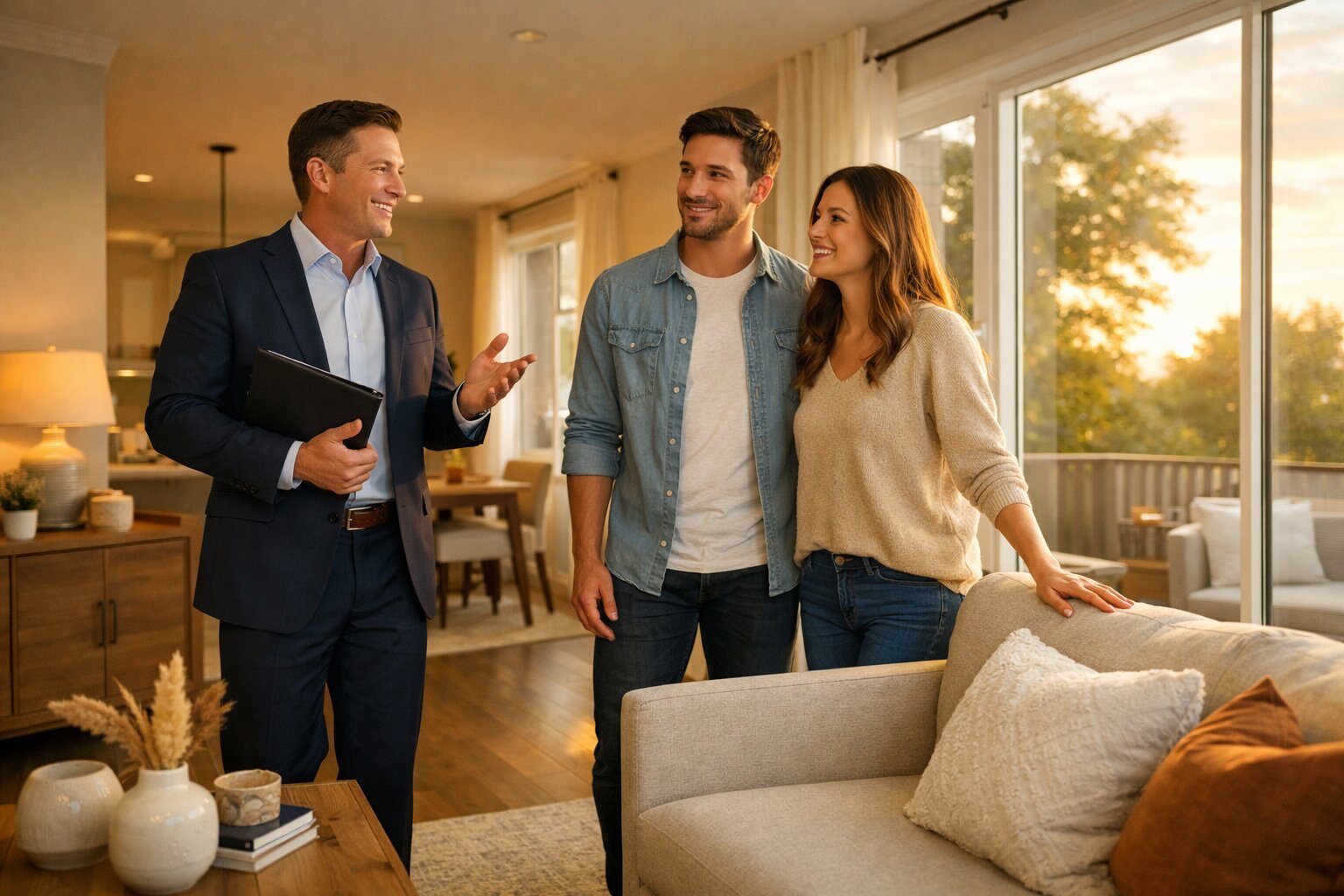
When a home feels cohesive, buyers relax. And when buyers relax, they imagine themselves living there. That connection between real estate and interior design is undeniable.
"When a home feels cohesive and intentional, people relax. And when people relax, they can imagine themselves living there. That emotional shift is powerful."
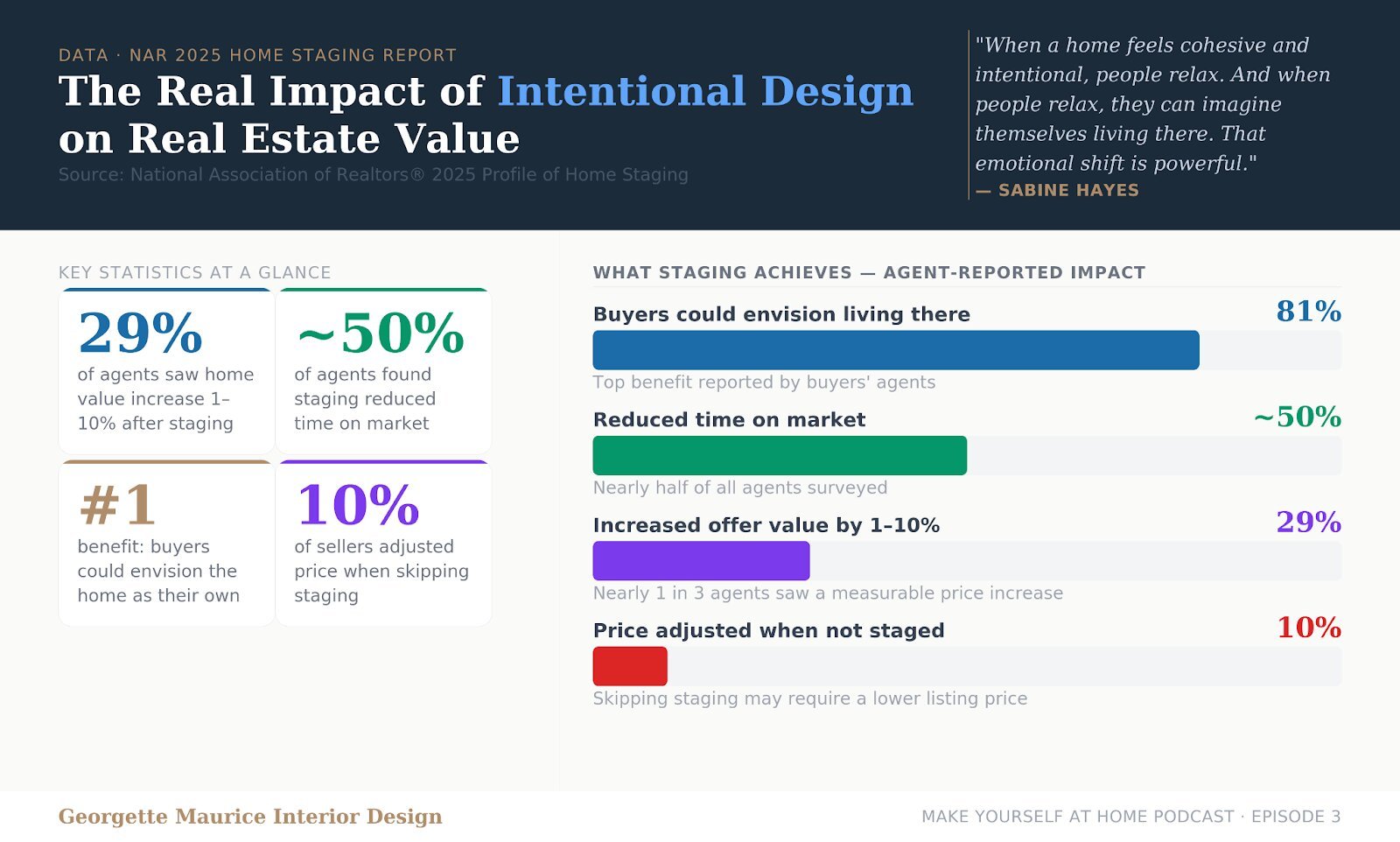
According to the National Association of Realtors® 2025 Profile of Home Staging, 29% of agents noted staging increased home value by 1% to 10%, and nearly half found it reduced market time. A majority of buyers' agents said staging made it easier for buyers to envision the property as their future home.
You do not need a full renovation. Sometimes it is rearranging furniture to improve flow. Sometimes it is clearing surfaces so the eye can rest. Read more success stories from professionals who have transformed their approach.
Quick Home Staging Wins |
Why It Works |
|
Rearrange furniture for better flow |
Buyers move through space emotionally |
|
Clear counters and surfaces |
Let the eye (and imagination) rest |
|
Refresh paint with cohesive neutral tones |
Creates cohesion and signals care |
|
Add natural scent (cinnamon, citrus) |
Triggers emotional memory and belonging |
The goal is the same whether you are selling or staying: a home that supports the life you actually live. That is what Sabine Hayes, interior designer and founder of Georgette Maurice Interior Design, builds for every client. It just takes intention.
You can learn more about how I work with buyers and sellers when you Work With Us.
Want to hear my entire conversation with Sabine? Tune in to the Make Yourself at Home podcast for all her insights on intentional design and creating spaces that welcome.
Frequently Asked Questions
-
Who is Sabine Hayes?
Sabine Hayes is a Philadelphia interior designer and founder of Georgette Maurice Interior Design.
-
What is intentional interior design?
It begins with how you want to feel in a space, then makes all decisions support that goal.
-
What is Georgette Maurice interior design?
Sabine Hayes' firm, named after her grandmother and mother, focused on hospitality-driven spaces.
-
How do you create a welcoming home for guests?
Create zones for drinks and coats, style surfaces ahead of time, and focus on connection over perfection.
-
What are the best holiday hosting design tips?
Set up a drink station, designate a coat area, style surfaces in advance, and remember that mindset matters more than perfection.
-
How does lighting affect interior design?
Layered lighting from multiple sources allows rooms to transition between functional and intimate moods.
-
What are common interior design mistakes?
Starting with decor instead of intention, overbuying, chasing trends, and failing to declutter regularly.
-
How does interior design impact real estate value?
Cohesive, intentional design helps buyers relax and imagine themselves living in a space, which increases perceived value. Staging can increase offers and help homes sell faster.
If this conversation resonated with you, explore Sabine's work further. She has a 20-page designer guide on the joy of hosting available on our show page.
Home is sacred; it should be a place where you feel authentic, belong, and can open the door without fear. Creating such a home requires intention.
Be a Guest on Make Yourself at Home
Real estate is about the lives people build inside the homes we help them find. If you are solving real problems—in design, construction, finance, or community—I would love to hear your story.