If you want more room without giving up access to Charlotte, Indian Trail is a place worth a closer look. Many buyers want that balance between neighborhood space, daily convenience, and a manageable commute, but it can be hard to find all three in one town. Indian Trail stands out for exactly that reason, offering a suburban setting with established neighborhoods, parks, and transportation options that keep you connected. Let’s dive in.
Why Indian Trail Appeals to Buyers
Indian Trail has a distinctly suburban feel, and the numbers support that. The town had an estimated 43,867 residents in 2024, up from 39,997 in 2020, across 22.24 square miles. That growth shows steady demand, while the overall layout still leans toward neighborhood living rather than an urban environment.
You can also see that suburban profile in the housing data. Indian Trail has a 78.1% owner-occupied housing rate, a median owner-occupied home value of $385,000, and a median gross rent of $2,077. For many buyers, that points to a community where homeownership plays a major role in the local lifestyle.
What the Housing Mix Looks Like
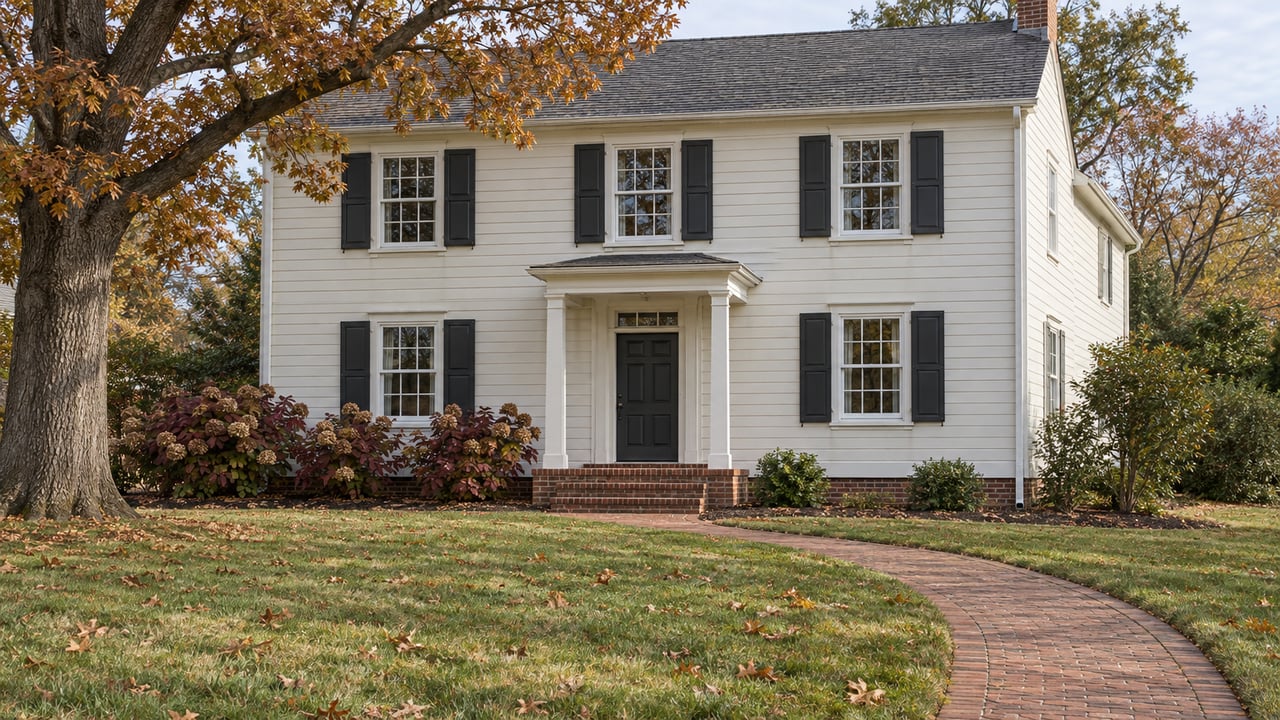
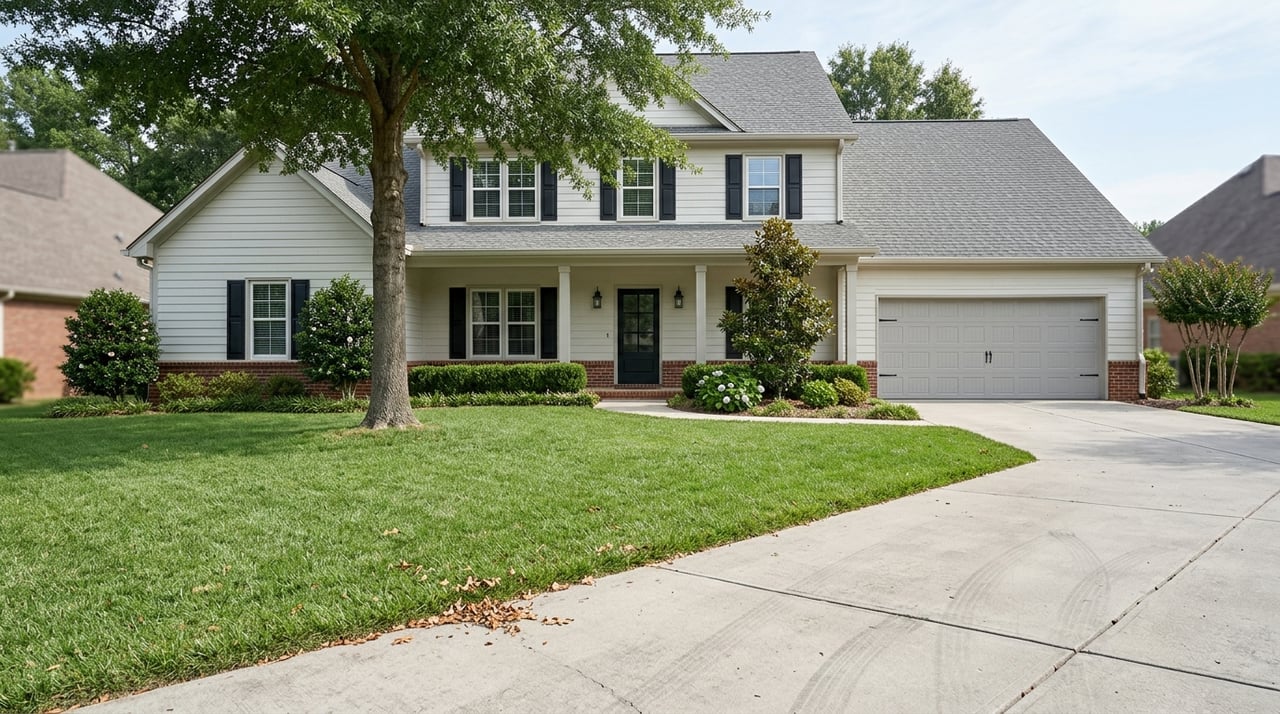
If you picture Indian Trail as a town of neighborhood streets, detached homes, and planned communities, that picture is mostly accurate. The town’s comprehensive plan emphasizes rural single-family residential and single-family residential land uses more than multifamily or dense mixed-use development. In practical terms, that means buyers are more likely to find subdivision-style housing and larger suburban parcels than apartment-heavy infill.
Recent and current development also reinforces that pattern. Detached-home communities include projects such as Oak Haven, Glenhurst, Northgate, and Sheffield. Mixed communities like Moore Farm and Sanctuary at Southgate add a blend of single-family homes, townhomes, and commercial space, while projects like Copper Station, Sagecroft, and Patrick Place highlight townhome options.
That variety gives you a few different paths depending on your goals. If you want a traditional single-family neighborhood, Indian Trail offers many options that fit that preference. If you want lower-maintenance living, townhome communities and mixed developments add flexibility.
Neighborhood Feel in Indian Trail
Indian Trail feels organized around established neighborhoods rather than a single downtown core. The town works closely with neighborhood HOAs and maintains HOA contact information to share town initiatives, meetings, and events. That tells you something important about everyday life here: many residents experience the town through their local neighborhood setting.
For buyers, that can be a plus if you value a structured suburban environment. You may find neighborhood amenities, community standards, and a stronger sense of local organization. It also means your home search should focus not just on the town as a whole, but on the feel and layout of each individual community.
Parks and Outdoor Recreation
One of Indian Trail’s biggest lifestyle strengths is its park system. The town has three municipal parks, and each offers something a little different for residents. If outdoor time matters to you, this is one of the reasons Indian Trail can feel especially livable.
Crossing Paths Park
Crossing Paths Park includes an amphitheater, a small playground, and a walking path. It offers a simple, easy spot to get outside, stretch your legs, or enjoy local events in a relaxed setting.
Chestnut Square Park
Chestnut Square Park includes shelters, a multi-use turf field, a sand volleyball court, and tennis courts. That mix makes it useful for both casual recreation and more active weekends.
Crooked Creek Park
Crooked Creek Park offers one of the most feature-rich park experiences in town. Amenities include a shaded playground with a zipline, a dog park, an 18-hole disc golf course, ball fields, and pickleball courts. For many buyers, access to spaces like this adds real value to day-to-day life.
The town also uses its parks for festivals, parades, concerts, and other community events. That helps turn the parks into more than green space. They become part of how residents gather and stay connected to local life.
Daily Convenience and Shopping
Indian Trail’s convenience pattern is more corridor-based than downtown-based. Instead of relying on one compact, walkable center for most errands, the town’s growth has produced commercial clusters along major roads. That setup tends to work well for residents who drive regularly and want easy access to shopping, services, and essentials.
The development pipeline includes retail, medical, daycare, office, self-storage, and mixed-use projects. Places such as Sun Valley Station Commercial Center, Sun Valley Marketplace, Town Center, and other commercial nodes help support day-to-day needs. The town is also working to revitalize its Uptown and Downtown areas and highlights the Sun Valley Entertainment District as part of that broader growth.
For you as a buyer, this means convenience is available, but it is spread across the town rather than concentrated in one main street environment. That is an important lifestyle detail to understand before you move. Indian Trail is built around practical access and suburban function, not a dense urban rhythm.
Commuting From Indian Trail to Charlotte
For many buyers, the biggest question is simple: how easy is it to get to Charlotte? Indian Trail offers several options, which is part of its appeal for households that want suburban space while staying in Charlotte’s employment orbit.
The town reports a mean travel time to work of 28.2 minutes. That does not define every commute, of course, but it gives you a useful baseline for how Indian Trail fits into the larger metro area.
Driving Options
For drivers, U.S. 74 is the main gateway to Uptown Charlotte from northwest Union County and southeast Mecklenburg. That corridor plays a major role in how residents move between Indian Trail and Charlotte.
Transportation improvements also matter here. The I-485 express lanes opened on February 28, 2026, between I-77 and U.S. 74. Indian Trail’s funded transportation list also includes the Old Monroe Road widening project, Indian Trail Road Complete Street improvements, and the Highway 74 multi-use path and Southfork Greenway project.
Public Transit Option
If you prefer a transit alternative on weekdays, CATS route 74X provides service from Indian Trail to Uptown Charlotte. Pickup and drop-off are available at the Union Towne Center Park and Ride on U.S. Highway 74, and the town lists the one-way fare at $4.40.
That option can be especially helpful if you work on a weekday schedule and want another way to reach the city. Even if you drive most of the time, having a commuter route available adds flexibility.
Who Indian Trail Fits Best
Indian Trail tends to make the most sense for buyers who want space-oriented suburban living with access to Charlotte. The town’s planning pattern, owner-occupancy rate, and active pipeline of single-family and townhome development all support that identity. This is a place where many buyers come looking for more room, neighborhood structure, and practical convenience.
It can be a strong fit if you want:
- A home in a neighborhood setting
- More emphasis on single-family housing
- Access to parks and outdoor recreation
- Shopping and services along major corridors
- Commuter connections to Charlotte by car or weekday express bus
It may be especially appealing if you are relocating to the Charlotte area and want a town that feels established, suburban, and connected. Indian Trail is not trying to be center city Charlotte, and that is exactly why many buyers choose it.
What to Keep in Mind Before You Move
Every town comes with tradeoffs, and Indian Trail is no different. If your ideal lifestyle depends on a dense, highly walkable downtown where most errands happen on foot, Indian Trail may feel more spread out than you want. Its layout is shaped more by neighborhoods and road corridors than by a compact urban core.
On the other hand, if you want practical space, strong homeownership, and a suburban setting that still keeps Charlotte within reach, Indian Trail checks a lot of boxes. The key is knowing what kind of day-to-day lifestyle fits you best and matching that to the right community within town.
When you are comparing neighborhoods, it helps to look beyond price and square footage. Think about commute patterns, access to parks, the housing style you prefer, and how close you want to be to shopping and services. Those details often shape your experience just as much as the home itself.
If you are thinking about buying or selling in Indian Trail, working with a local team can make the process a lot easier. For guidance on neighborhoods, pricing, and your next move in the Charlotte area, connect with Dee Brummett.
FAQs
What is Indian Trail, NC like for everyday living?
- Indian Trail offers a suburban lifestyle with established neighborhoods, a high owner-occupancy rate, municipal parks, and convenience centered around shopping and service corridors rather than one dense downtown area.
What kinds of homes can you find in Indian Trail, NC?
- Buyers in Indian Trail are more likely to find single-family homes, subdivision-style neighborhoods, townhome communities, and some mixed developments with residential and commercial uses.
How do you commute from Indian Trail, NC to Charlotte?
- Common options include driving via U.S. 74, using the I-485 connection, or taking the weekday CATS 74X route from the Union Towne Center Park and Ride to Uptown Charlotte.
Are there parks in Indian Trail, NC?
- Yes. Indian Trail has Crossing Paths Park, Chestnut Square Park, and Crooked Creek Park, with amenities that include walking paths, sports courts, playgrounds, a dog park, ball fields, disc golf, and pickleball courts.
Is Indian Trail, NC a good fit for buyers who want more space?
- Indian Trail can be a strong fit if you want a space-oriented suburban setting with neighborhood-style living, larger residential areas, and access to Charlotte for work or daily travel.