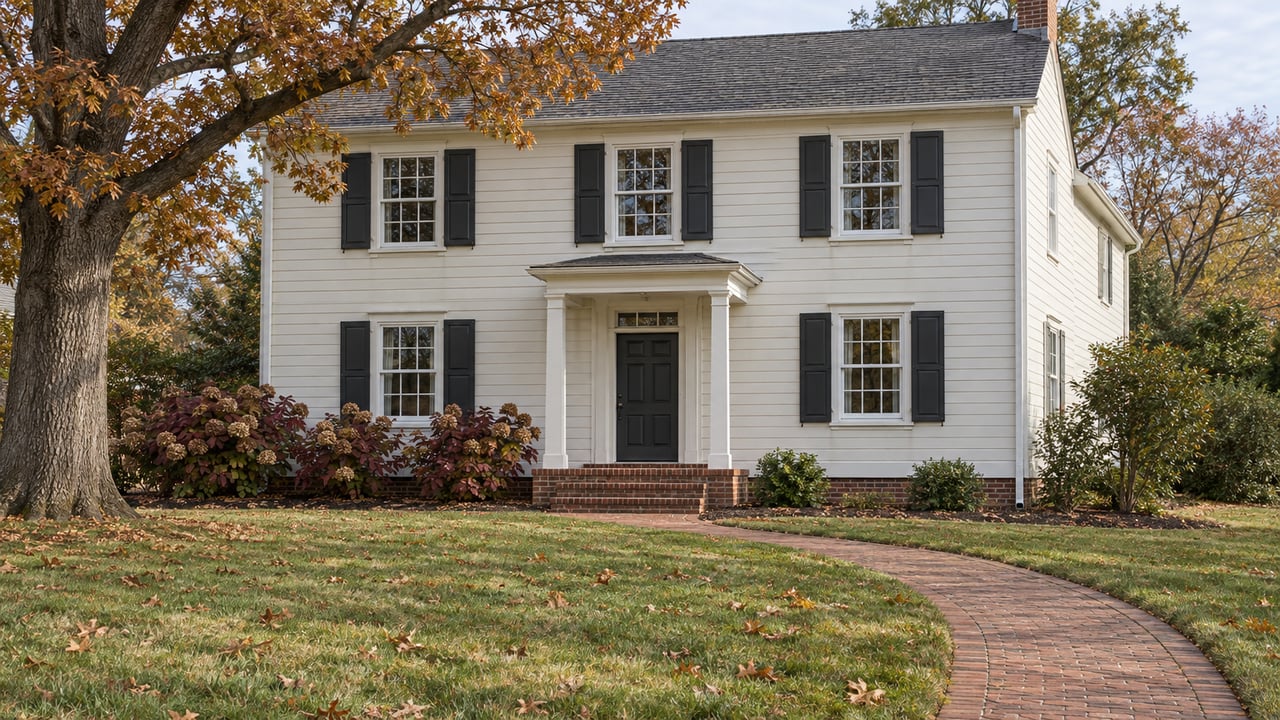
Torn between the energy of South Charlotte and the small-town ease of Fort Mill? You are not alone. Many buyers weigh these two nearby spots for the same reasons: smart value, schools, commute, and lifestyle. In this guide, you’ll learn the practical tradeoffs, who tends to prefer each area, and a simple checklist to make a confident choice. Let’s dive in.
Two great options, different vibes
Both South Charlotte and Fort Mill sit in the same metro, but they feel different day to day. In South Charlotte, you’ll find a mix of established neighborhoods, walkable mixed-use areas, and quick access to job centers. In Fort Mill, master-planned communities, newer homes, and a small-town community feel stand out. You really can’t go wrong, yet one may fit your priorities better.
Housing and neighborhoods
South Charlotte housing mix
South Charlotte offers a wide range of options. You’ll see older established neighborhoods with mature trees and custom homes alongside newer suburban subdivisions and upscale multifamily. There are walkable nodes like SouthPark and Ballantyne, plus infill opportunities where renovations are common. Prices vary a lot by pocket, with some premium areas commanding higher prices per square foot.
Fort Mill housing mix
Fort Mill leans into master-planned communities and new-construction subdivisions. Many buyers find larger lots, newer floorplans, and more single-family options, especially if you want more square footage and yard space. The small-town feel and newer neighborhood amenities appeal to many families and relocators.
Resale and investment notes
Resale strength in both areas is supported by what buyers value most. In Fort Mill, the strong community reputation of local public schools and newer homes tends to attract families. In South Charlotte, proximity to job centers and a broader mix of condos and townhomes can support demand for both owner-occupants and renters. For investing, South Charlotte’s denser housing stock and employment access may offer different yield profiles than the single-family emphasis in Fort Mill.
Cost of living and taxes
Property taxes and HOA fees
Your total cost of ownership depends on more than purchase price. Property tax bills vary by jurisdiction and assessed value, and HOA fees can differ widely. In Fort Mill, amenity-rich master-planned communities are common, which can mean regular HOA fees. In South Charlotte, some neighborhoods have no HOA while condos, townhomes, and newer subdivisions often do. Always review the HOA covenants, fees, and any reserve studies before you commit.
Insurance and utilities
Insurance premiums depend on the property’s age, construction, claims history, and flood risk. Utility providers differ by municipality and subdivision, so compare rates for specific addresses, including water, sewer, and trash. Getting quotes during due diligence helps you avoid surprises.
Cross-border tax basics
Fort Mill homeowners pay South Carolina state taxes along with York County and local levies. South Charlotte homeowners pay North Carolina state taxes along with Mecklenburg County and local levies. If you live in one state and work in the other, filing rules, credits, and withholding can be complex. It’s smart to consult a tax professional so you understand the likely impact for your situation.
Schools and family considerations
Fort Mill schools overview
Fort Mill’s public schools have a strong community reputation and are a major draw for many families. As with any area, verify the exact school assignment for each property because district lines and tools can change. Look at current metrics such as test data, graduation rates, student-teacher ratios, and capacity planning.
South Charlotte school options
South Charlotte is part of Charlotte-Mecklenburg Schools and also offers many private, magnet, and charter options. You will find some highly sought-after zones, though quality varies by attendance area. Compare the latest report cards and consider commute time to school, transportation policies, and after-school logistics.
How to verify the details
Before you write an offer, confirm school assignments through district tools and cross-check current report cards from the state. Review school board agendas for capacity and construction updates. If early childcare or special programs matter, list those needs and verify availability near your target neighborhood.
Commute and regional mobility
Typical commute patterns
Fort Mill functions as a commuter suburb of Charlotte. Depending on where you start and the time of day, commuting to uptown Charlotte can range widely. Many South Charlotte neighborhoods sit closer to major job centers, including Ballantyne, which can reduce drive times. Commute variability is high, so always test your route at peak hours.
Roads and transit
I‑77 connects Fort Mill to Charlotte and parts of South Charlotte, while I‑485 links South Charlotte’s suburbs. Both corridors can get busy at rush hour. Public transit is more extensive inside Mecklenburg County, and Fort Mill has limited fixed-route options into Charlotte. If transit matters to you, review park-and-ride and express bus options and consider employer policies around remote work.
Airport and travel
Charlotte Douglas International Airport is reachable from both areas, typically 20 to 40 minutes depending on traffic and your exact location. If you travel often, test the airport route during your usual departure times.
Lifestyle and amenities
South Charlotte lifestyle
South Charlotte feels suburban with urban conveniences. You’ll find larger retail centers, more dining choices, and cultural experiences across mixed-use hubs like SouthPark and the Ballantyne area. Access to major healthcare systems and professional services is immediate, which many buyers appreciate for daily life and aging in place.
Fort Mill lifestyle
Fort Mill offers a small-town, family-oriented atmosphere. Town centers like Baxter Village and Main Street host local events, markets, and festivals. Newer neighborhoods often have sidewalks, pools, and pocket parks, creating a close-knit community feel.
Parks, greenways, and recreation
Both areas provide parks and greenways. South Charlotte benefits from easy access to Charlotte’s broader cultural and recreational amenities. Fort Mill’s neighborhoods often deliver on-the-block activities and nearby town parks.
Governance, services, and risk checks
Permitting and services
Fort Mill properties fall under the Town of Fort Mill and York County for zoning, permitting, and services. South Charlotte properties are governed by the City of Charlotte and Mecklenburg County. Timelines and rules can differ, so if you plan to renovate or add structures, review local codes early. Landlord-tenant rules and contractor licensing also vary by state.
Flood and insurance checks
Flood exposure is highly property specific. Some pockets in both areas sit in FEMA-designated floodplains that can require flood insurance for mortgages. Always review FEMA flood maps for the address, request elevation certificates when needed, and obtain insurance quotes during due diligence.
Who tends to prefer each area?
You may prefer Fort Mill if
- You want a newer home, modern floorplan, and possibly a larger lot.
- A small-town suburban feel with neighborhood amenities appeals to you.
- You prioritize a strong community reputation around public schools.
You may prefer South Charlotte if
- You want shorter drives to Charlotte job centers and mixed-use hubs.
- You value a wider mix of condos, townhomes, and established neighborhoods.
- You want immediate access to larger dining, shopping, and healthcare choices.
Your decision checklist
Use this simple plan to compare homes apples to apples:
- Run a current MLS comparison for your target neighborhoods on both sides of the border. Match beds, baths, lot size, and condition to compare price per square foot and days on market.
- Check county tax assessor pages for each address to see recent tax bills and understand how assessments work.
- Verify school assignments by address, then review the latest district or state report cards and any capacity discussions in school board minutes.
- Test-drive your commute both ways during peak hours. Try alternate routes and note parking or transit options near your workplace.
- Get homeowners and flood insurance quotes for each property. Ask about deductibles, wind or hail coverage, and flood requirements based on FEMA maps.
- Review HOA covenants, fees, amenities, and any reserve studies. Look for upcoming assessments or maintenance plans.
- Scan local planning and DOT updates for road widenings, interchange work, and major developments that could affect traffic or appreciation.
Final thoughts and next steps
South Charlotte and Fort Mill both deliver value, just in different ways. If you want variety, walkable nodes, and faster access to employment and cultural spots, South Charlotte may feel like home. If you prefer newer construction, a small-town vibe, and neighborhood amenities, Fort Mill is a strong match. Your best choice comes from comparing specific homes, commutes, schools, and costs across a short list of neighborhoods.
Ready to explore both sides with a tailored plan? Lean on local guidance, private tours, and side-by-side comparisons designed for your goals. Reach out to Dee Brummett to get started.
FAQs
What are the biggest cost differences between South Charlotte and Fort Mill?
- Total cost depends on the specific property. Fort Mill often offers newer homes and larger lots at a given price, while South Charlotte has more varied housing types. Compare property taxes, HOA fees, insurance, utilities, and commute costs for each address.
Which area has better schools: Fort Mill or South Charlotte?
- Fort Mill’s public schools have a strong local reputation. South Charlotte offers both well-regarded public options and many private, magnet, and charter choices. Verify assignments by address and review current report cards and programs.
How long is the commute from Fort Mill to uptown Charlotte?
- It varies by starting point, time of day, and destination. Plan for variability on I‑77 and test your route during peak hours. Some South Charlotte neighborhoods sit closer to job centers, which can shorten drive times.
Is Fort Mill cheaper because it is in South Carolina?
- Sometimes, but not always. Purchase price, taxes, HOA fees, insurance, and state income taxes all factor into your bottom line. Run a total cost-of-ownership comparison for specific properties.
How do HOAs compare between the two areas?
- Fort Mill’s master-planned communities commonly have amenity-rich HOAs with regular fees. In South Charlotte, some neighborhoods have no HOA while many condos, townhomes, and newer subdivisions do. Review each community’s covenants and reserves.
What about flood risk and insurance differences?
- Flood exposure is address specific in both areas. Check FEMA flood maps, ask for elevation information, and get quotes for each home you are considering. Your lender may require flood insurance in certain zones.
Can I live in South Carolina and work in North Carolina without double-taxation?
- Cross-border situations can be complex. Generally you file where you live and may file a nonresident return where you work if required, with potential credits. Consult a tax professional for current rules and your exact scenario.